

Built to Hold: How Threads, Inserts & Joints Improve 3D Printed Part Reliability
3D printing offers remarkable flexibility in creating complex shapes and customized components. However, producing a well-designed part involves more than achieving the desired geometry.
When multiple components need to work together, the strength and reliability of their connections become equally important.
From printed threads and threaded inserts to mechanical and adhesive joints, different fastening methods help manufacturers create functional assemblies.
Understanding how to design 3D printed connections can improve assembly stability, durability and long-term performance.
Why Are Connections Important in 3D Printing?
Many 3D printed components function as part of a larger assembly rather than as individual parts.
These assemblies may require screws, fastening points, joining features or permanent connections to achieve their intended function.
Poorly designed connections can affect assembly accuracy, mechanical strength and overall reliability.
By selecting suitable connection methods, engineers can improve how components fit together and perform during operation.
The right approach depends on several factors, including material properties, mechanical requirements and the intended application.
Understanding Different Types of 3D Printed Connections
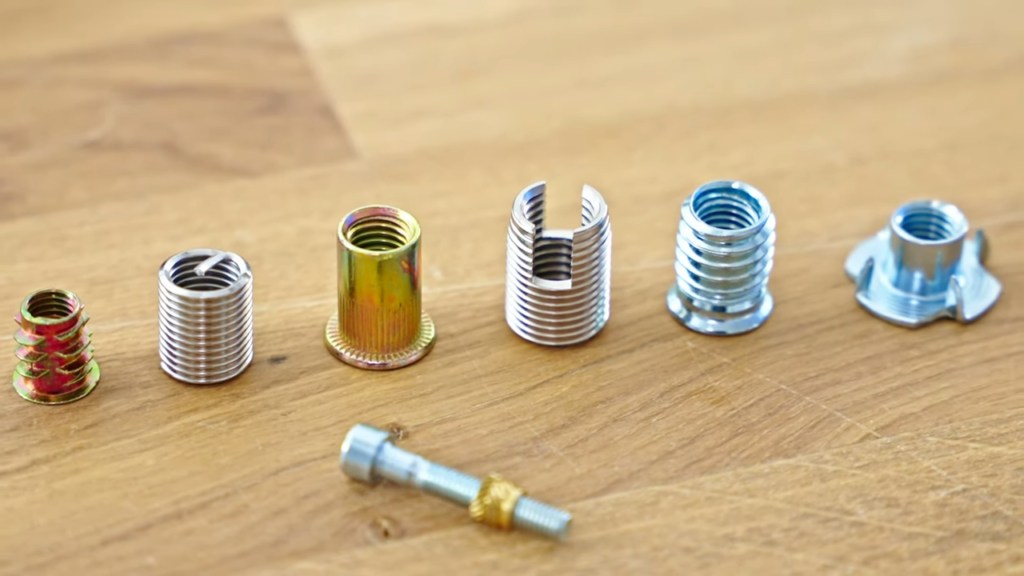
Different applications require different connection methods. Each approach offers advantages depending on the part design and assembly requirements.
1. Printed Threads
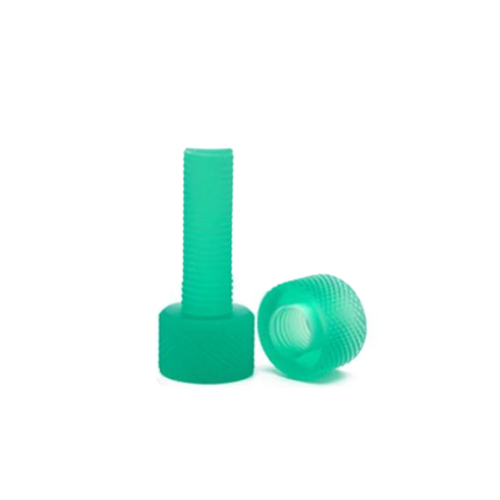
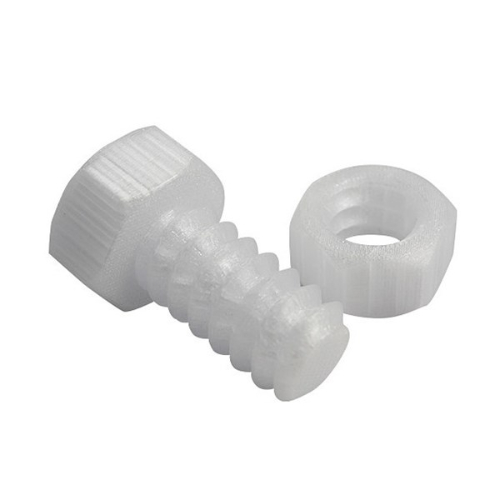
Printed threads allow screws or threaded components to connect directly with a 3D printed part.
Designers can integrate these features into the model, reducing the need for separate fastening hardware in suitable applications.
Printed threads are often useful for light-duty components where frequent assembly and disassembly are not required.
However, engineers should consider material strength, thread geometry and dimensional accuracy when designing these features.
2. Threaded Inserts
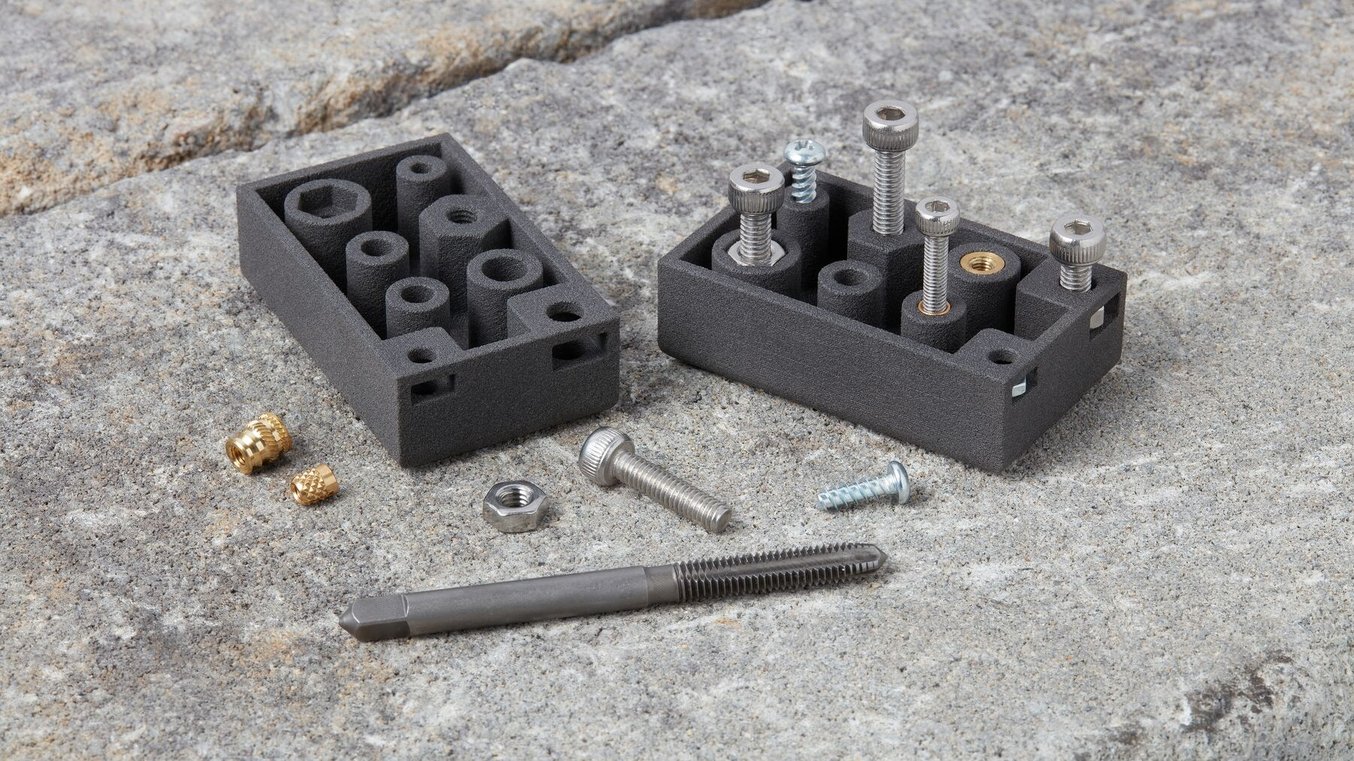
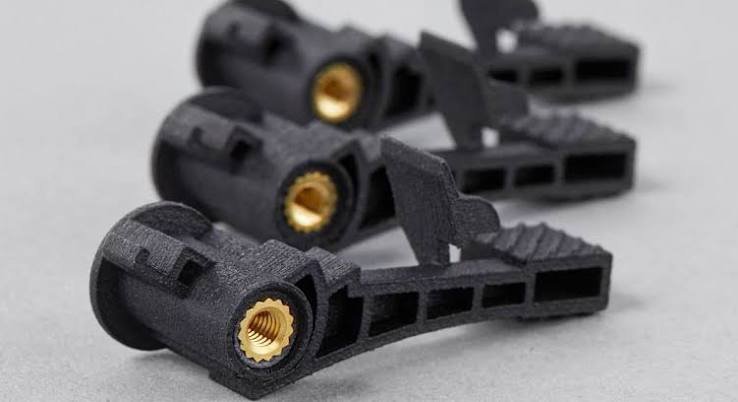
Threaded inserts provide dedicated fastening points within 3D printed components.
They typically use metal threads to create more durable fastening interfaces, particularly for applications that require repeated assembly and disassembly.
For suitable materials and designs, threaded inserts can offer improved fastening performance compared with directly printed plastic threads.
The insert type, installation method and surrounding material must match the component’s requirements.
3. Mechanical Joints
Mechanical joints connect components through physical fastening features such as screws, pins and snap-fit designs.
These methods allow engineers to create assemblies that can support different functional requirements.
Screw-based connections are useful when parts need maintenance or replacement. Snap-fit features can provide convenient assembly without additional fasteners in appropriate designs.
Selecting a suitable mechanical joint helps maintain assembly stability while supporting the intended functionality.
4. Adhesive Joints
Adhesive joining provides another method for connecting 3D printed components.
This approach can create permanent bonds between parts without relying on mechanical fasteners.
Adhesive joints may be useful when components require a continuous connection or when the design offers limited space for fastening hardware.
However, effective bonding depends on material compatibility, surface preparation and the operating conditions of the finished assembly.
Key Design Considerations for Reliable 3D Printed Connections
Choosing a fastening method is only one part of designing a reliable assembly.
Engineers must also consider how material properties, printing conditions and part geometry affect connection performance.
Material Selection
Different 3D printing materials offer different mechanical properties and performance characteristics.
Some materials provide greater rigidity, while others offer more flexibility or impact resistance.
Selecting a suitable material helps ensure that the connection can support the intended assembly and operating requirements.
Dimensional Accuracy and Tolerances
Proper fitting is essential for reliable 3D printed connections.
Threads, inserts and mechanical joints require appropriate dimensions and clearances to assemble correctly.
Engineers should consider the dimensional accuracy of the selected printing process when designing fastening features.
Suitable tolerances help prevent assembly difficulties and reduce the risk of poor-fitting connections.
Print Orientation
Print orientation can influence the mechanical performance of a 3D printed component.
In processes such as Fused Deposition Modeling (FDM), layer direction affects how a printed part responds to applied forces.
Engineers should therefore consider the direction of expected loads when positioning parts for printing.
Careful orientation can help improve connection reliability and reduce the risk of failure at critical areas.
Stress Distribution
Connection points often experience concentrated mechanical loads during assembly and operation.
Poorly designed fastening features may create areas of excessive stress, particularly around holes, threads and sharp corners.
Designers can improve load distribution by considering connection geometry, wall thickness and surrounding support.
These considerations help create more reliable assemblies for suitable applications.
Assembly and Maintenance Requirements
The intended assembly process also influences connection design.
Components that require regular maintenance may benefit from fastening methods that allow repeated removal and installation.
Meanwhile, permanent assemblies may use adhesive bonding or other joining techniques.
Understanding these requirements early in the design stage helps engineers select appropriate connection methods.
Choosing the Right Connection Method
There is no single fastening solution that works for every 3D printing application.
Printed threads may suit simple, light-duty fastening requirements.
Threaded inserts offer an alternative when durable fastening points or repeated assembly are important.
Mechanical joints support applications that require removable or specialized connections.
Adhesive joints can provide permanent bonding between compatible printed components.
The best choice depends on the material, part geometry, expected loads and assembly requirements.
By evaluating these factors, designers can develop more reliable 3D printed assemblies without adding unnecessary complexity.
3D Printing Service Malaysia , 3D Printing service Singapore , 3D Printing service KL , 3D Printing service Selangor, 3D Scanning Malaysia
Why Partner with Projet ?
Selecting the right manufacturing technology is important—but choosing the right manufacturing partner is what truly drives success. Companies across the electronics, automotive, consumer products, aerospace, and medical industries trust Projet because we are more than just a supplier; we are a dedicated partner in their success.
Here’s what sets us apart:
A True One-Stop Solution
We provide a seamless experience by offering a comprehensive suite of manufacturing services under one roof. This integrated approach streamlines your supply chain and simplifies the journey from concept to a market-ready product.
Engineering Expertise You Can Count On
Our experienced engineering team acts as a dedicated extension of your own. We excel at solving complex manufacturing challenges and collaborate closely with you to optimize your designs for quality, cost-effectiveness, and manufacturability.
Flexible Production Volumes to Match Your Needs
Whether you require a single prototype or a high-volume production run, our manufacturing capabilities are designed to scale with your demands. We support your product’s entire lifecycle, from initial launch to full-scale production.
Rapid Turnaround for a Faster Time-to-Market
In today’s fast-paced market, speed is a crucial advantage. We deliver fast, transparent quotes and pride ourselves on our rapid turnaround times, helping you get your innovative products to market sooner.
3D Printing Services
Instant Price