
Skip links

What is Reverse Engineering? A Practical Guide to Recreating and Improving Parts

Imagine a critical machine on your production line grinds to a halt. The cause is a single broken part. The real problem? The original manufacturer no longer exists, and the blueprints are long gone. This is a common scenario in manufacturing. In these cases, reverse engineering becomes your most valuable tool.

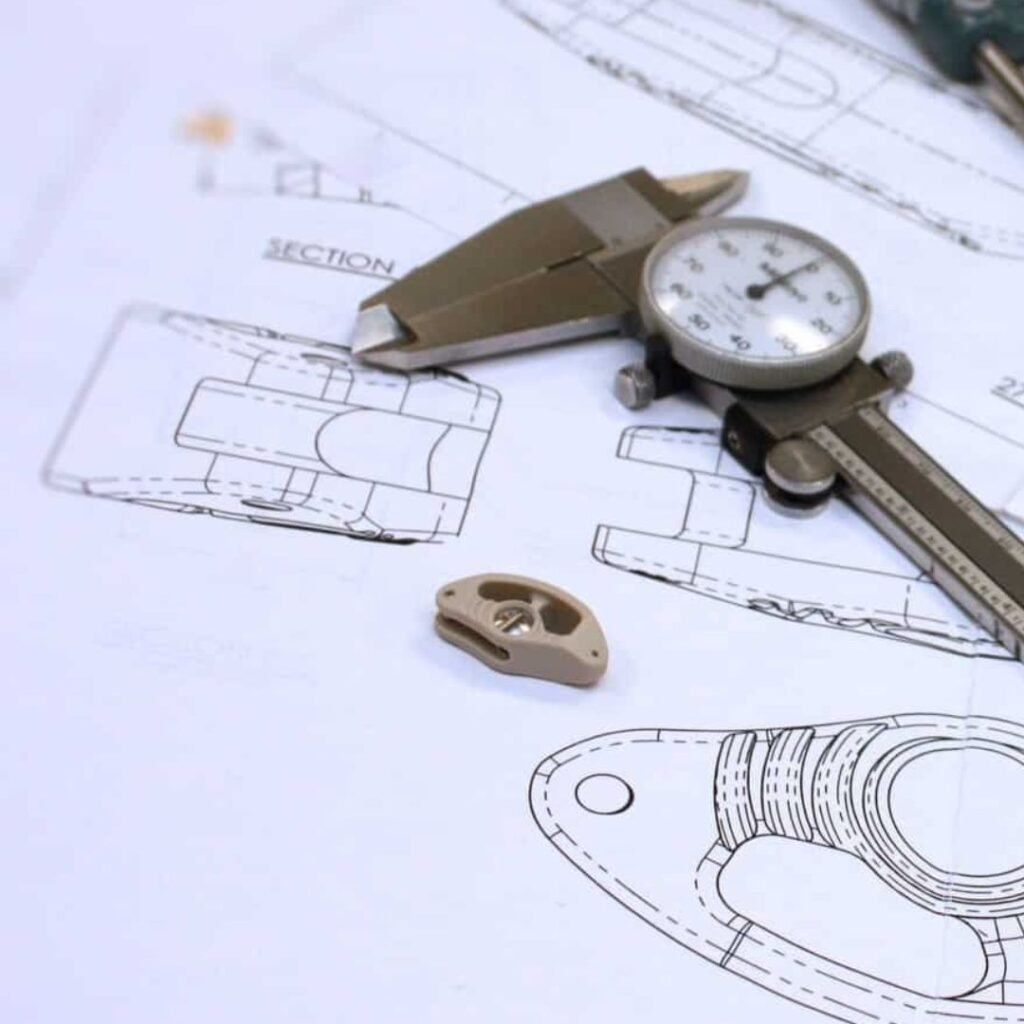
Through reverse engineering, we deconstruct a finished product. This process allows us to understand its design, learn the original manufacturing process, and discover how to recreate it.

Think of it as a blend of detective work and modern engineering. It allows companies to bring obsolete components back to life. You can also enhance existing designs for better performance. We help you unlock insights hidden within any physical object.

At Projet, we live and breathe these challenges. This guide will explain what reverse engineering is and why it’s essential. We’ll show you how we turn a physical part into a precision-manufactured digital asset.

When is Reverse Engineering the Right Solution?

Reverse engineering isn’t just about copying; rather, it’s a strategic solution for several critical business needs. Consequently, it becomes essential when you need to address specific challenges and unlock new opportunities.

  • Recreate Legacy Parts
    First and foremost, reverse engineering is invaluable when a component is obsolete and its original supplier is gone. In this situation, it is often the only way to produce a compatible replacement. As a result, you can keep valuable, aging equipment operational, thereby avoiding costly system-wide upgrades.

  • Improve Existing Designs
    Moreover, by analyzing a part’s design and material, we can identify weaknesses and opportunities for improvement. This process, therefore, allows for the creation of an enhanced version that is stronger, more efficient, or more durable than the original. Ultimately, this leads to better performance and a longer product lifespan.

  • Create Digital Archives
    In addition, having a 3D CAD model of your physical inventory is crucial in the age of digital manufacturing. Reverse engineering allows you to create a “digital twin” of a part, which in turn secures its future availability and streamlines the re-ordering process.

  • Understand Original Manufacturing Techniques
    Finally, especially for restoration projects, understanding how a part was originally made is key to maintaining authenticity. Reverse engineering provides deep insight into these original methods, while also allowing you to leverage the precision of modern manufacturing for a perfect blend of old and new.

Our Reverse Engineering Process: From Physical Part to Digital Blueprint

At Projet, we specialize in providing top-notch reverse engineering services. Our method combines state-of-the-art technology with decades of hands-on expertise to ensure accuracy and quality.

Step 1: The Scan (Data Capture)

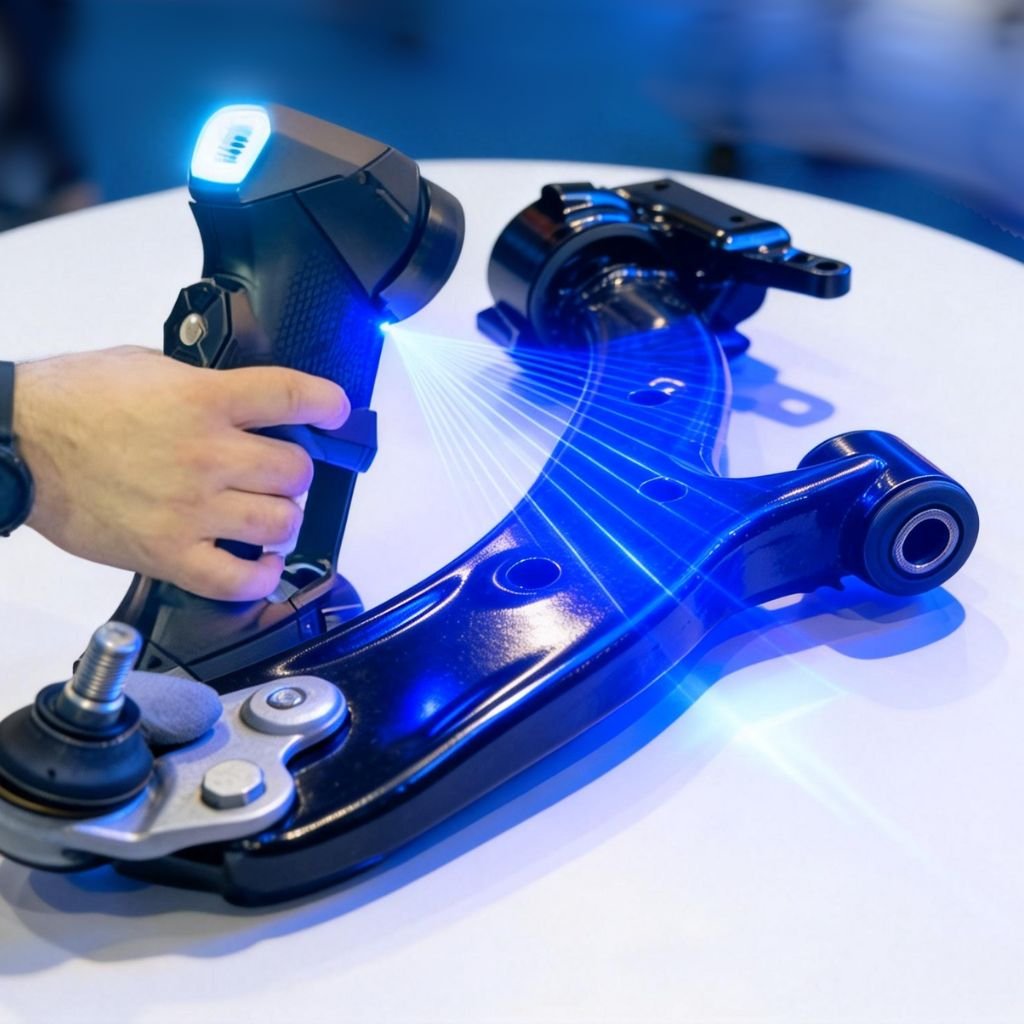
It all starts with a high-precision 3D laser scan. This non-contact process captures millions of data points on the surface of the component, creating a detailed digital “point cloud” that maps every curve, hole, and feature with incredible accuracy.

Step 2: The Model (Digital Reconstruction)

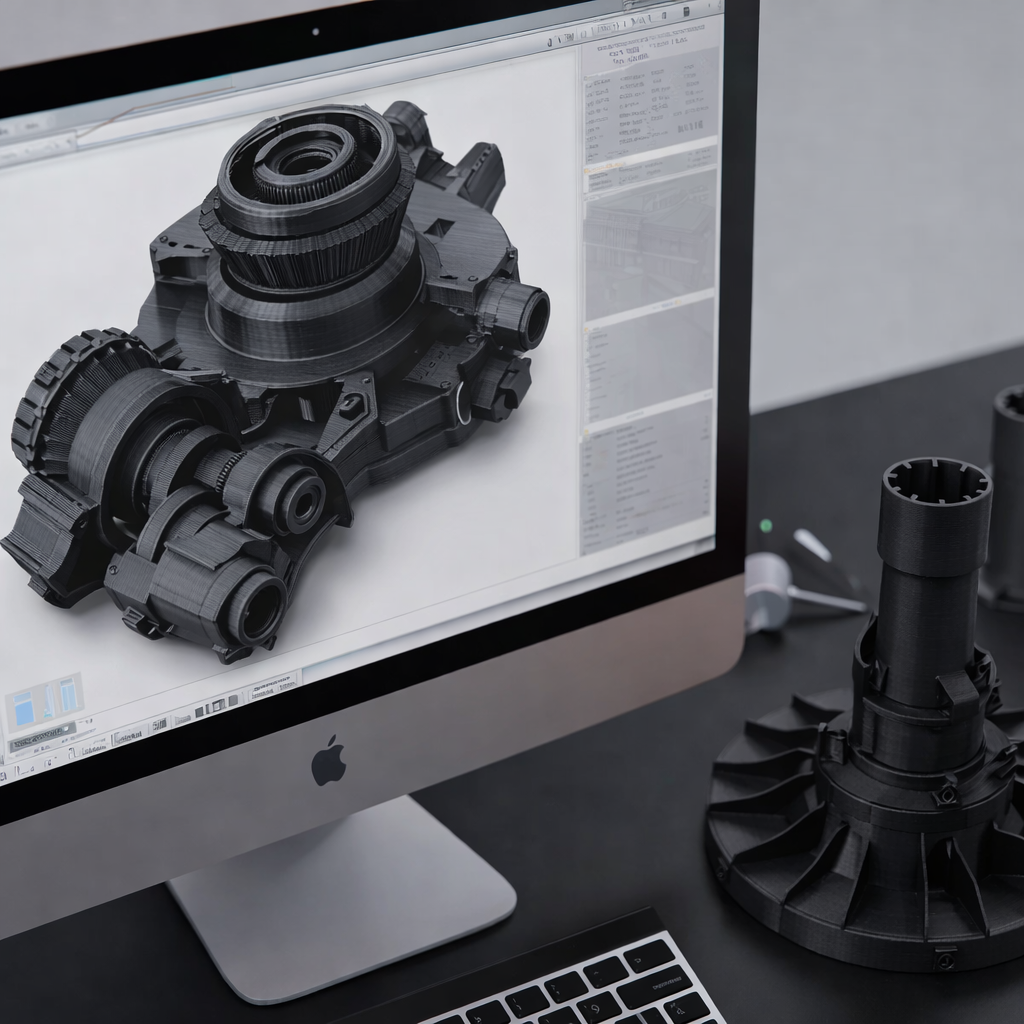
Using powerful SolidWorks CAD software, our engineers transform the raw scan data into a fully parametric 3D model. This is more than just a digital replica; it’s an intelligent blueprint that can be modified, tested, and used to generate technical drawings for manufacturing.

Step 3: The Refinement (Analysis and Improvement)

With a precise digital model, we can analyze stress points, evaluate material choices, and make design modifications to enhance performance. This is where we can replicate an out-of-production component and even improve upon its original design for greater longevity.

Step 4: The Part (Manufacturing)

Once the final design is approved, the 3D model is used to manufacture the new component using modern techniques like CNC machining, ensuring the final product meets today’s exacting quality standards.


The Advantages and Challenges of Reverse Engineering

While incredibly powerful, the process is not without its complexities.

AdvantagesChallenges
Improved Quality & Performance: Enables detailed analysis and enhancement of the original design and material properties.Balancing Authenticity & Functionality: Preserving the original look and feel while implementing necessary modern improvements can be challenging.
Cost & Time Savings: Often faster and more cost-effective than sourcing from a new supplier or replacing an entire system.Material Analysis: Accurately identifying the original material composition and heat treatment can be complex.
Flexibility & Modernization: Allows legacy designs to be adapted to modern, more efficient manufacturing processes.Ensuring Compatibility: The redesigned part must integrate seamlessly with existing components.
No OEM Dependence: Eliminates reliance on a single Original Equipment Manufacturer for critical spare parts.Intellectual Property: Legal and compliance considerations must be addressed when dealing with patented or protected designs.
3D Printing Service Malaysia , 3D Printing service Singapore ,  3D Printing service KL , 3D Printing service Selangor, 3D Scanning Malaysia

Why Partner with Projet ?

Selecting the right manufacturing technology is important—but choosing the right manufacturing partner is what truly drives success. Companies across the electronics, automotive, consumer products, aerospace, and medical industries trust Projet because we are more than just a supplier; we are a dedicated partner in their success.

Here’s what sets us apart:

A True One-Stop Solution

We provide a seamless experience by offering a comprehensive suite of manufacturing services under one roof. This integrated approach streamlines your supply chain and simplifies the journey from concept to a market-ready product.

Engineering Expertise You Can Count On

Our experienced engineering team acts as a dedicated extension of your own. We excel at solving complex manufacturing challenges and collaborate closely with you to optimize your designs for quality, cost-effectiveness, and manufacturability.

Flexible Production Volumes to Match Your Needs

Whether you require a single prototype or a high-volume production run, our manufacturing capabilities are designed to scale with your demands. We support your product’s entire lifecycle, from initial launch to full-scale production.

Rapid Turnaround for a Faster Time-to-Market

In today’s fast-paced market, speed is a crucial advantage. We deliver fast, transparent quotes and pride ourselves on our rapid turnaround times, helping you get your innovative products to market sooner.

3D Printing Services

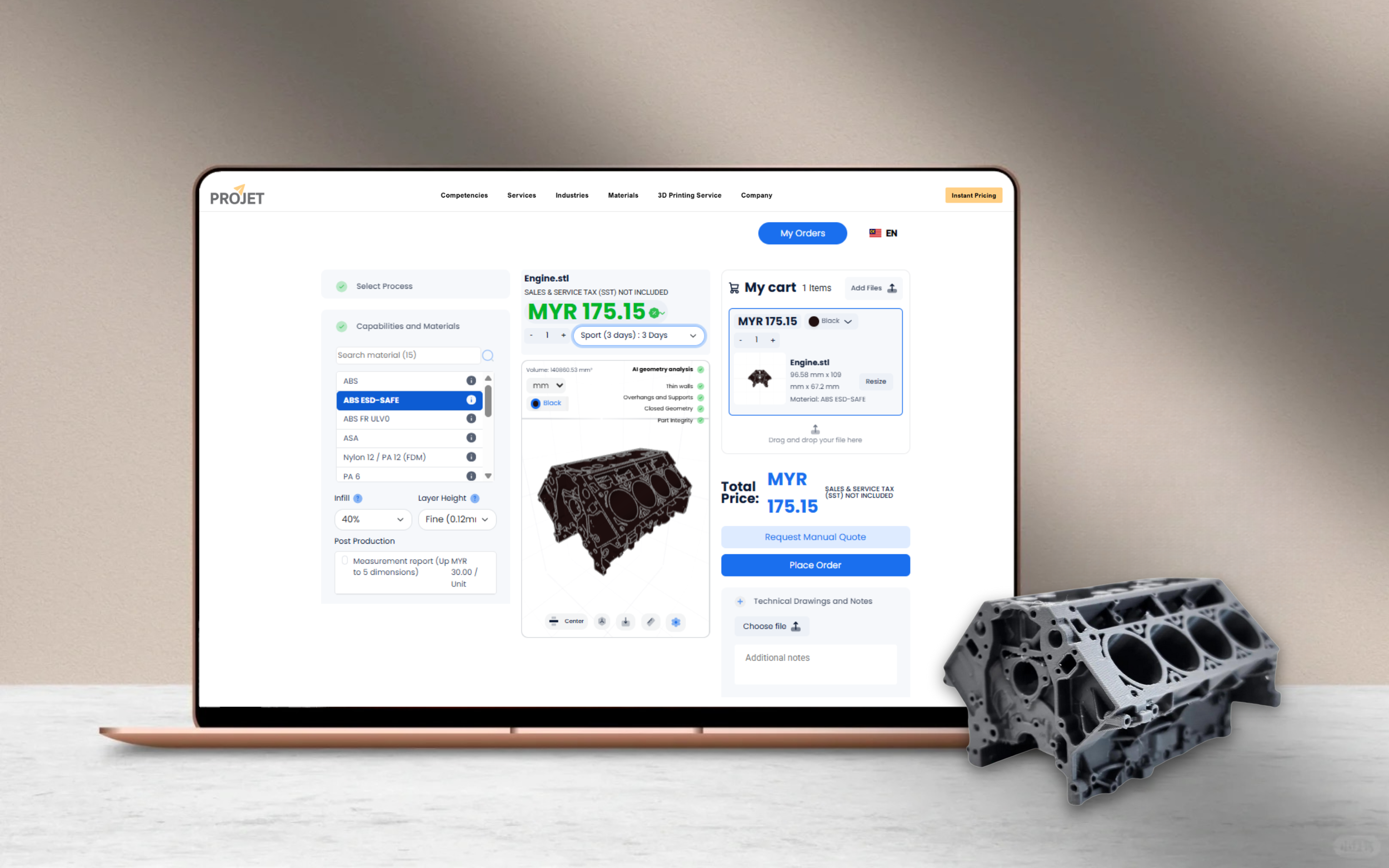
Instant Price
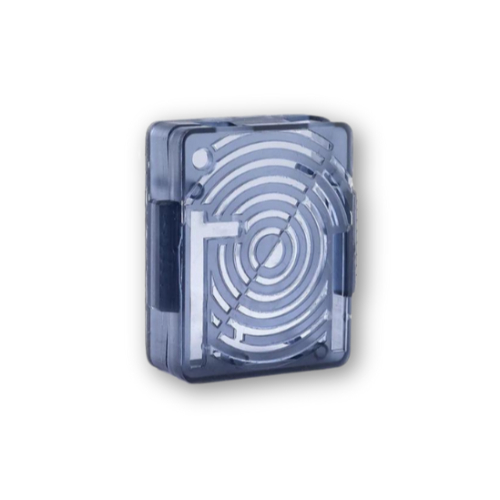
PMMA Like Resin

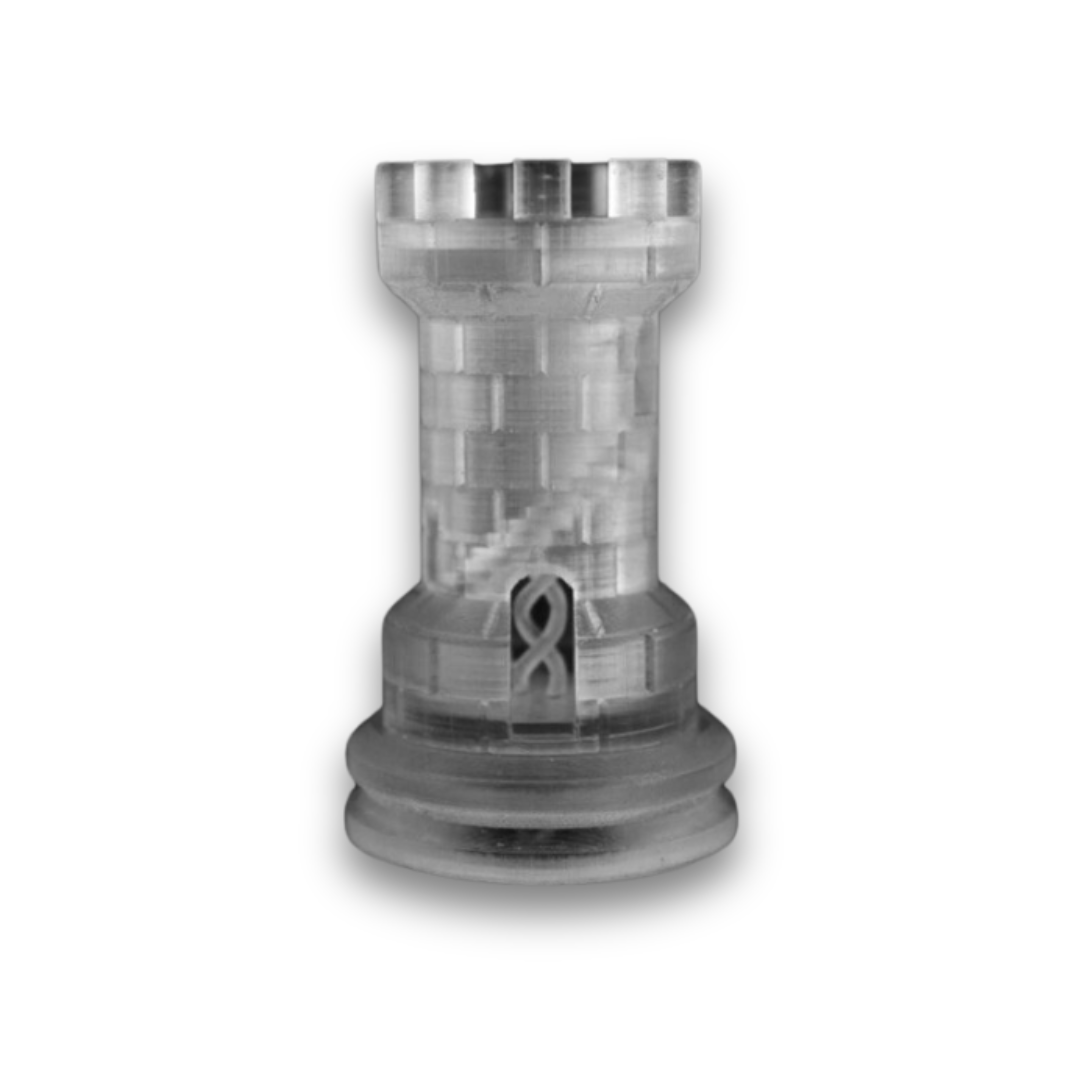
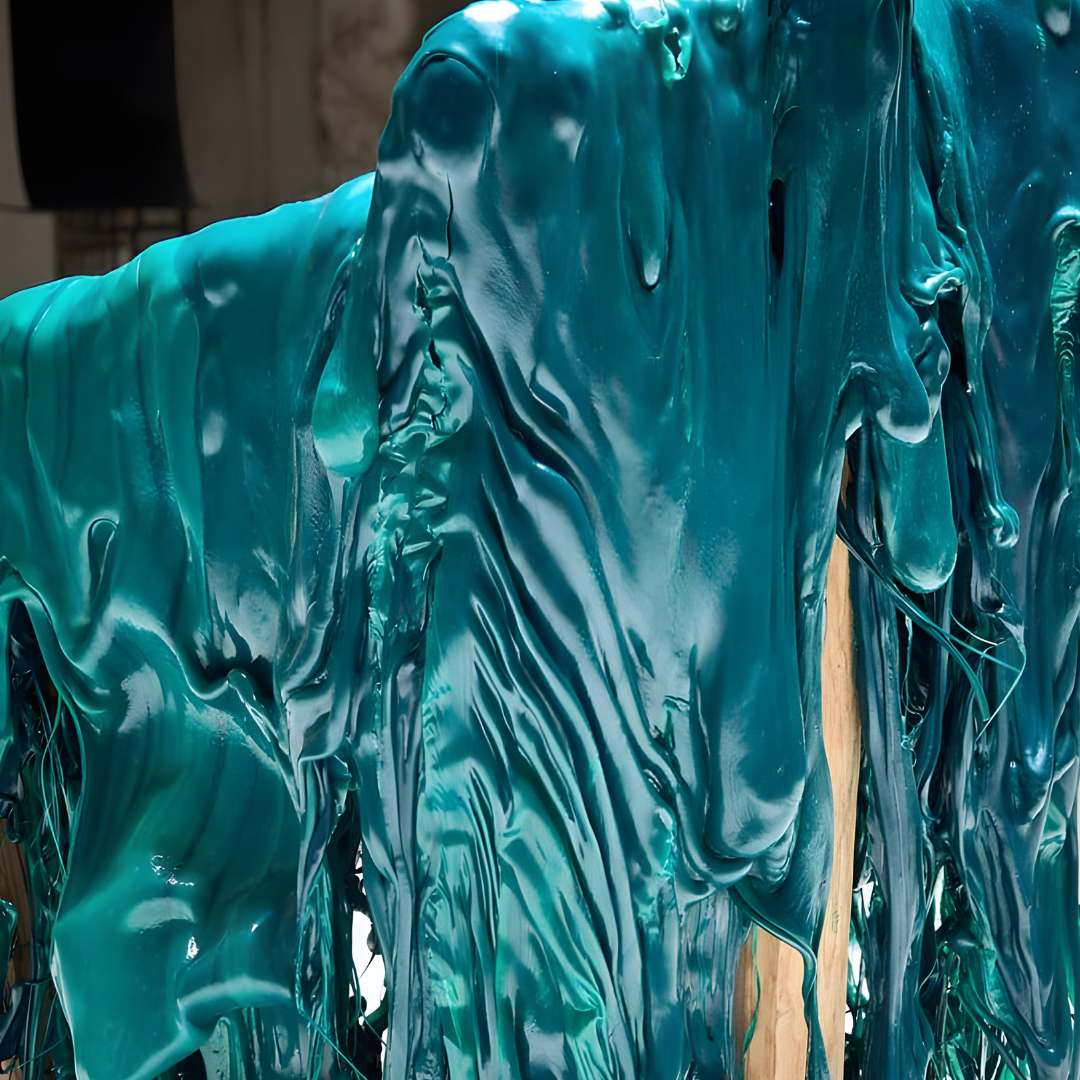
PMMA Like clear resin has high transparency and anti-yellowing, suitable for high transparency applications in non-high temperature environments. The transparent resin has imitation acrylic, glass appearance.

Suitable for: SLA

Application

  • Prototype
  • End-User part

Application Fields

  • Aerospace: YES
  • Automotive: YES
  • Industrial Machinery: YES
  • Consumer Electronics: YES
  • Automation: YES
  • Medical: YES
  • Education Community: YES

Material Property

  • Density(g/cm3): 1.05
  • Tensile Strength(MPa): 40
  • Flex Modulus(MPa): 40
  • Elongation(%): 32
  • Heat Distortion Temp(°C): –
  • Hardness Shore D: 78

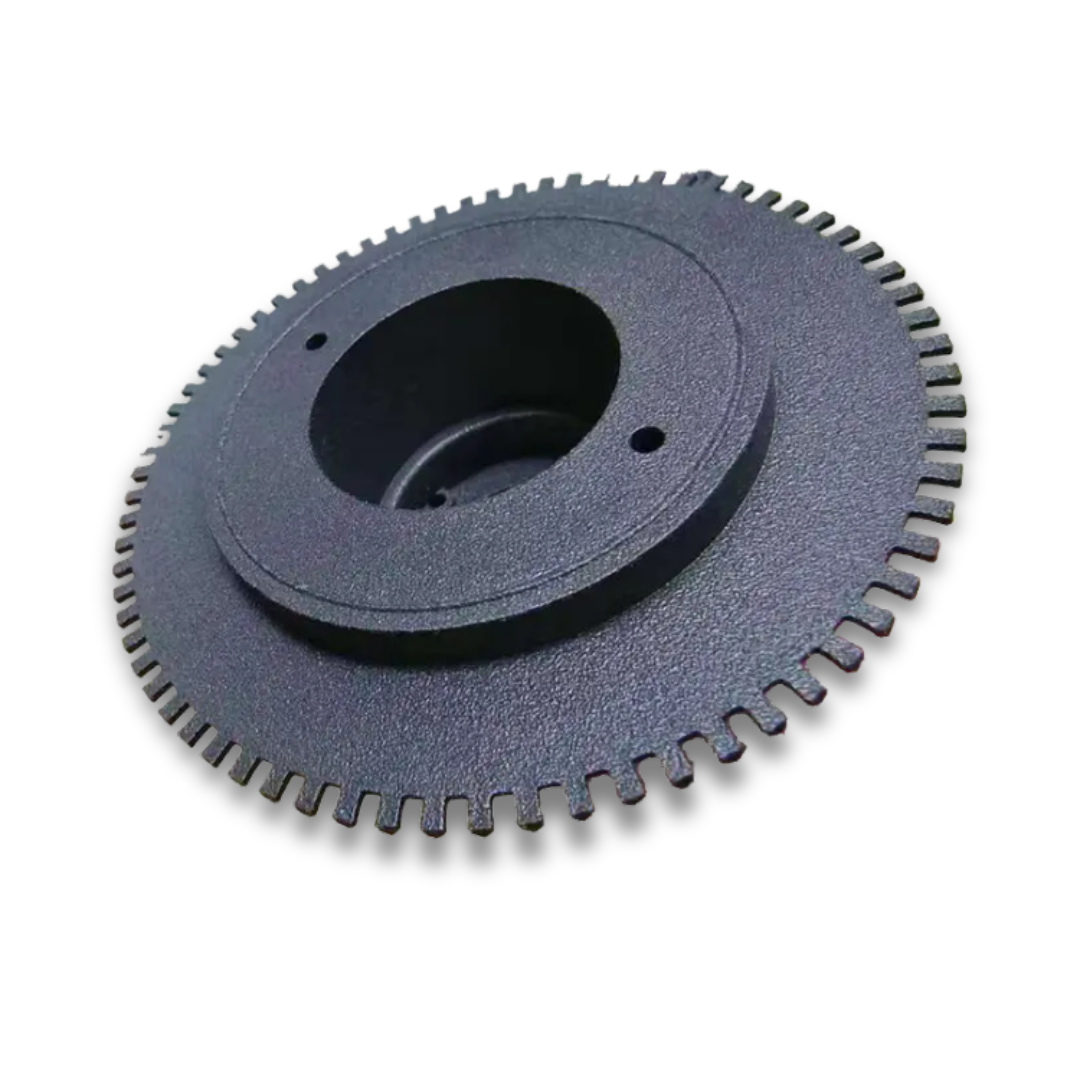
Nylon12 Glass Fibre40 Blue-gray

This grey-blue composite nylon powder, enhanced with 40% glass beads, creates 3D-printed parts with exceptional stiffness and heat resistance. Powder reuse rate can reach up to 100%.

Suitable for: SLS

Application

  • Prototype
  • End-User part

Application Fields

  • Aerospace: YES
  • Automotive: YES
  • Industrial Machinery: YES
  • Consumer Electronics: YES
  • Automation: YES
  • Medical: YES
  • Education Community: YES

Material Property

  • Density(g/cm3): 0.72
  • Tensile Strength(MPa): 46
  • Flex Modulus(MPa): 2,800
  • Elongation(%): –
  • Heat Distortion Temp(°C): 160
  • Hardness Shore D: –

Nylon 12 Glass Fibre 30

PA12GB30 is a high-performance material with excellent chemical, mechanical, and thermal properties, ideal for engineering applications. Compared to PA6, it absorbs significantly less moisture, preserving strength and shape in humid environments. With added glass fiber reinforcement, it offers enhanced durability, stiffness, and stability, making it a reliable choice for demanding conditions.

Suitable for: SLS

Application

  • Prototype
  • End-User part

Application Fields

  • Aerospace: YES
  • Automotive: YES
  • Industrial Machinery: YES
  • Consumer Electronics: YES
  • Automation: YES
  • Medical: YES
  • Education Community: YES

Material Property

  • Density(g/cm3): 1.25
  • Tensile Strength(MPa): 62.6
  • Flex Modulus(MPa): 2,340
  • Elongation(%): 6.8
  • Heat Distortion Temp(°C): 160
  • Hardness Shore D: –

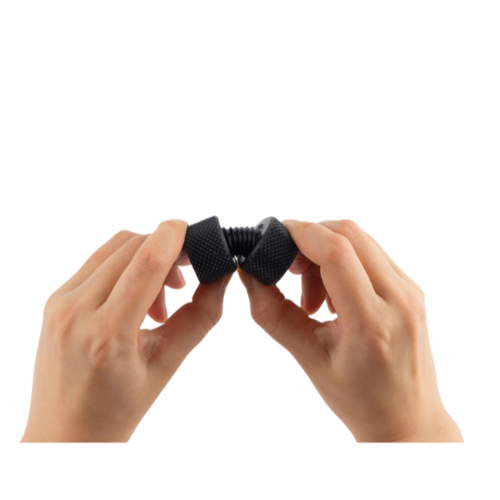
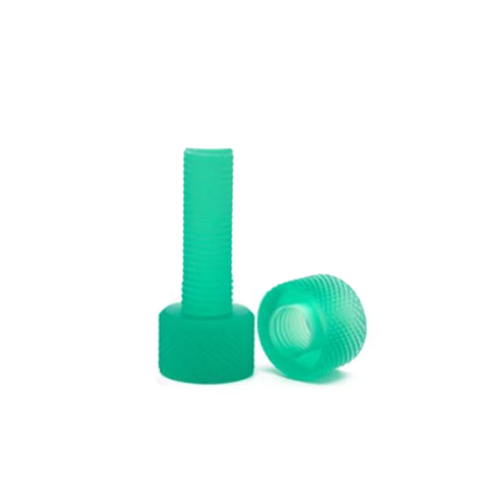
Rubber Like Resin

Rubber-like resin has a low tensile modulus and high elongation at break, making it well-suited for objects that will be bent or compressed.

Suitable for: SLA

Application

  • Prototype
  • End-User part

Application Fields

  • Aerospace: YES
  • Automotive: YES
  • Industrial Machinery: YES
  • Consumer Electronics: YES
  • Automation: YES
  • Medical: YES
  • Education Community: YES

Material Property

  • Density(g/cm3): –
  • Tensile Strength(MPa): 7.9
  • Flex Modulus(MPa): –
  • Elongation(%): 255.1
  • Heat Distortion Temp(°C): –
  • Hardness Shore D: 60-75

ABS Like Resin

ABS-like resin excels in high precision, providing a smooth surface quality with exquisite detail features. Known for its superior forming dimensional stability, this resin is ideal for the assembly and testing of various engineering models. Achieving a perfect balance between tensile strength and hardness, it prevents brittleness with its high elongation at break, ensuring resistance to breaking.

Suitable for: SLA

Application

  • Prototype
  • End-User part

Application Fields

  • Aerospace: YES
  • Automotive: YES
  • Industrial Machinery: YES
  • Consumer Electronics: YES
  • Automation: YES
  • Medical: YES
  • Education Community: YES

Material Property

  • Density(g/cm3): 1.05-1.13
  • Tensile Strength(MPa): 42-62
  • Flex Modulus(MPa): 60-80
  • Elongation(%): 11-21
  • Heat Distortion Temp(°C): –
  • Hardness Shore D: 75-80

Nylon-Like Resin

Nylon-like resin is a high-strength material known for its excellent durability and long-term stability. It also boasts exceptional toughness and impact resistance.

Suitable for: SLA

Application

  • Prototype
  • End-User part

Application Fields

  • Aerospace: YES
  • Automotive: YES
  • Industrial Machinery: YES
  • Consumer Electronics: YES
  • Automation: YES
  • Medical: YES
  • Education Community: YES

Material Property

  • Density(g/cm3): 1.05-1.15
  • Tensile Strength(MPa): 68
  • Flex Modulus(MPa): 35
  • Elongation(%): 15
  • Heat Distortion Temp(°C): –
  • Hardness Shore D: 75

Hard Tough Resin

This hard resin boasts higher toughness and impact resistance compared to standard ABS-like resin, making it exceptionally well-suited for mechanical prototypes.

Suitable for: SLA

Application

  • Prototype
  • End-User part

Application Fields

  • Aerospace: YES
  • Automotive: YES
  • Industrial Machinery: YES
  • Consumer Electronics: YES
  • Automation: YES
  • Medical: YES
  • Education Community: YES

Material Property

  • Density(g/cm3): 1.08-1.12
  • Tensile Strength(MPa): 30-60
  • Flex Modulus(MPa): 30-75
  • Elongation(%): 35-52
  • Heat Distortion Temp(°C): 60
  • Hardness Shore D: 75-81

High Temp Resin

High Temp Resin is characterized by high hardness, strength, modulus, and precision. It exhibits resistance to prolonged heating at 120°C or boiling at 100°C, showcasing excellent mechanical properties, weather resistance, and temperature resistance.

Suitable for: SLA

Application

  • Prototype
  • End-User part

Application Fields

  • Aerospace: YES
  • Automotive: YES
  • Industrial Machinery: YES
  • Consumer Electronics: YES
  • Automation: YES
  • Medical: YES
  • Education Community: NO

Material Property

  • Density(g/cm3): 1.09-1.10
  • Tensile Strength(MPa): 70-85
  • Flex Modulus(MPa): 95-105
  • Elongation(%): 35-40
  • Heat Distortion Temp(°C): 100.5
  • Hardness Shore D: 82-84

General Resin

General resin, known for its high rigidity, proves to be a versatile material ideal for both functional testing and rapid prototype.

Suitable for: SLA

Application

  • Prototype

Application Fields

  • Aerospace: NO
  • Automotive: YES
  • Industrial Machinery: NO
  • Consumer Electronics: YES
  • Automation: YES
  • Medical: NO
  • Education Community: YES

Material Property

  • Density(g/cm3): 1.08-1.13
  • Tensile Strength(MPa): 46-67
  • Flex Modulus(MPa): 46-72
  • Elongation(%): 28-36
  • Heat Distortion Temp(°C): –
  • Hardness Shore D: 78-82

Ultem1010 PEI (Polyetherimide)

PEI is a high-performance industrial-grade thermoplastic known for its strength, durability, and low flammability. This versatile material finds applications in various industries, including automotive, aerospace, medicine, and dentistry.

Suitable for: FDM

Application

  • Prototype
  • End-User part

Application Fields

  • Aerospace: YES
  • Automotive: YES
  • Industrial Machinery: YES
  • Consumer Electronics: NO
  • Automation: YES
  • Medical: NO
  • Education Community: NO

Material Property

  • Density(g/cm3): 1.27
  • Tensile Strength(MPa): 90
  • Flex Modulus(MPa): 3427
  • Elongation(%): 3.3
  • Heat Distortion Temp(°C): 207
  • Hardness Shore D: –

Ultem9085 PEI (Polyetherimide)

PEI is a high-performance industrial-grade thermoplastic known for its strength, durability, and low flammability. This versatile material finds applications in various industries, including automotive, aerospace, medicine, and dentistry.

Suitable for: FDM

Application

  • Prototype
  • End-User part

Application Fields

  • Aerospace: YES
  • Automotive: YES
  • Industrial Machinery: YES
  • Consumer Electronics: NO
  • Automation: YES
  • Medical: NO
  • Education Community: NO

Material Property

  • Density(g/cm3): 1.34
  • Tensile Strength(MPa): 86
  • Flex Modulus(MPa): 2340
  • Elongation(%): 4
  • Heat Distortion Temp(°C): 150
  • Hardness Shore D: –

PEEK (Polyether ether ketone)

PEEK (polyetheretherketone) is a high-performance semi-crystalline industrial thermoplastic known for its exceptional resistance to harsh chemicals, minimal moisture absorption, excellent fire performance, superior mechanical strength over a wide temperature range, and reliable dimensional stability.

Suitable for: FDM

Application

  • Prototype
  • End-User part

Application Fields

  • Aerospace: YES
  • Automotive: YES
  • Industrial Machinery: YES
  • Consumer Electronics: YES
  • Automation: YES
  • Medical: YES
  • Education Community: YES

Material Property

  • Density(g/cm3): 1.29
  • Tensile Strength(MPa): 100
  • Flex Modulus(MPa): 4200
  • Elongation(%): 40
  • Heat Distortion Temp(°C): 140
  • Hardness Shore D: –

PET-CF (Carbon fiber reinforced polyethylene terephthalate)

PET-CF emerges as a superior choice over nylon for printing functional parts in high-humidity environments. Its high-temperature resistance and minimal warping make it ideal for crafting mechanical assembly parts, including automotive accessories and fixtures. In comparison to PETG-CF, PET-CF contains a higher concentration of carbon fibre, resulting in significantly greater strength and high temperature resistance.

Suitable for: FDM

Application

  • Prototype
  • End-User part

Application Fields

  • Aerospace: YES
  • Automotive: YES
  • Industrial Machinery: YES
  • Consumer Electronics: YES
  • Automation: YES
  • Medical: YES
  • Education Community: YES

Material Property

  • Density(g/cm3): 1.29
  • Tensile Strength(MPa): 131
  • Flex Modulus(MPa): 5320
  • Elongation(%): 1.2
  • Heat Distortion Temp(°C): 205
  • Hardness Shore D: –

PAHT-CF (High temperature polyamide carbon fiber reinforced)

A composite of PA and carbon fibre, merges the low water absorption advantage of PA with the high-performance attributes of carbon fibre. This combination yields excellent mechanical and thermal properties that remain robust even in wet conditions. PA+CF is prized for its outstanding chemical resistance, low moisture absorption, and versatile processing capabilities.

Suitable for: FDM

Application

  • Prototype
  • End-User part

Application Fields

  • Aerospace: YES
  • Automotive: YES
  • Industrial Machinery: YES
  • Consumer Electronics: YES
  • Automation: YES
  • Medical: YES
  • Education Community: YES

Material Property

  • Density(g/cm3): 1.06
  • Tensile Strength(MPa): 125
  • Flex Modulus(MPa): 4230
  • Elongation(%): 1.8
  • Heat Distortion Temp(°C): 194
  • Hardness Shore D: –

PLA-CF (Carbon fiber reinforced polylactic acid)

Carbon fibber reinforced PLA, stands out for its remarkable increase in stiffness and strength. This cutting-edge bio-polymer, when combined with recycled carbon fibber reinforcement, results in a higher mechanical properties

Suitable for: FDM

Application

  • Prototype
  • End-User part

Application Fields

  • Aerospace: YES
  • Automotive: YES
  • Industrial Machinery: YES
  • Consumer Electronics: YES
  • Automation: YES
  • Medical: YES
  • Education Community: YES

Material Property

  • Density(g/cm3): 1.22
  • Tensile Strength(MPa): 89
  • Flex Modulus(MPa): 3950
  • Elongation(%): 3.2
  • Heat Distortion Temp(°C): 55
  • Hardness Shore D: –

ESD-safe (Electrostatic discharge)

It exhibits excellent antistatic performance, making it particularly suitable for fields that require ESD protection.

Suitable for: FDM

Application

  • Prototype
  • End-User part

Application Fields

  • Aerospace: YES
  • Automotive: YES
  • Industrial Machinery: YES
  • Consumer Electronics: YES
  • Automation: YES
  • Medical: YES
  • Education Community: YES

Material Property

  • Density(g/cm3): 1.08-1.11
  • Tensile Strength(MPa): 55
  • Flex Modulus(MPa): 2300
  • Elongation(%): 5
  • Heat Distortion Temp(°C): 95
  • Surface Resistance: 107 and 109 ohms Ω

UL 94-V0

It possesses higher mechanical properties and is halogen-free, environmentally friendly, and flame retardant, achieving a UL94V-0 level flame retardancy. This makes the product more fireproof and safer.

Suitable for: FDM

Application

  • Prototype
  • End-User part

Application Fields

  • Aerospace: YES
  • Automotive: YES
  • Industrial Machinery: YES
  • Consumer Electronics: YES
  • Automation: YES
  • Medical: NO
  • Education Community: YES

Material Property

  • Density(g/cm3): 1.05
  • Tensile Strength(MPa): 35
  • Flex Modulus(MPa): 2280
  • Elongation(%): 10
  • Heat Distortion Temp(°C): 100
  • Hardness Shore D: –

ASA (Acrylonitrile styrene acrylate)

ASA shares excellent mechanical properties with ABS but offers additional benefits. It is more resistant to ultraviolet rays and harsh weather conditions, making it particularly suitable for outdoor use. ASA boasts strong toughness, rigidity, and high impact resistance.

Suitable for: FDM

Application

  • Prototype
  • End-User part

Application Fields

  • Aerospace: NO
  • Automotive: YES
  • Industrial Machinery: YES
  • Consumer Electronics: YES
  • Automation: YES
  • Medical: NO
  • Education Community: YES

Material Property

  • Density(g/cm3): 1
  • Tensile Strength(MPa): 45
  • Flex Modulus(MPa): 1900
  • Elongation(%): 30
  • Heat Distortion Temp(°C): 86
  • Hardness Shore D: –

PP (Polypropylene)

Polypropylene (PP) is a popular material in 3D printing, valued for its versatility, strength, and chemical resistance. This lightweight and flexible plastic stands up well to acids, bases, and organic solvents, making it suitable for a range of applications. Additionally, PP is considered food-safe, though standard 3D printing food safety guidelines should still be followed.

Suitable for: FDM

Application

  • Prototype
  • End-User part

Application Fields

  • Aerospace: YES
  • Automotive: YES
  • Industrial Machinery: YES
  • Consumer Electronics: YES
  • Automation: YES
  • Medical: YES
  • Education Community: YES

Material Property

  • Density(g/cm3): 1.05
  • Tensile Strength(MPa): 26
  • Flex Modulus(MPa): 1200
  • Elongation(%): 30
  • Heat Distortion Temp(°C): 60-80
  • Hardness Shore D: –

PC (Polycarbonates)

PC is a high-performance material known for its toughness, heat resistance, dimensional stability, and high optical clarity. It exhibits excellent mechanical properties, high toughness, and impact resistance, making it stable and durable. Additionally, PC offers impressive temperature resistance, with a heat distortion temperature up to 80 ℃.

Suitable for: FDM

Application

  • Prototype
  • End-User part

Application Fields

  • Aerospace: YES
  • Automotive: YES
  • Industrial Machinery: YES
  • Consumer Electronics: YES
  • Automation: YES
  • Medical: YES
  • Education Community: YES

Material Property

  • Density(g/cm3): 1.21
  • Tensile Strength(MPa): 54
  • Flex Modulus(MPa): 1073
  • Elongation(%): 150
  • Heat Distortion Temp(°C): 80
  • Hardness Shore D: –

Nylon / PA (Polyamide)

Nylon is a versatile material known for its good flexibility, wear resistance, and high strength-to-weight ratio. PA12, in particular, exhibits high toughness and impact resistance.

Suitable for: FDM

Application

  • Prototype
  • End-User part

Application Fields

  • Aerospace: YES
  • Automotive: YES
  • Industrial Machinery: YES
  • Consumer Electronics: YES
  • Automation: YES
  • Medical: YES
  • Education Community: YES

Material Property

  • Density(g/cm3): 1.21
  • Tensile Strength(MPa): 50
  • Flex Modulus(MPa): 659
  • Elongation(%): 165
  • Heat Distortion Temp(°C): 100
  • Hardness Shore D: –

HIPS

HIPS is a multifunctional material. It shares many mechanical properties with ABS plastic, but as the name suggests, it has a much higher resistance to impact. This added strength makes HIPS an excellent choice for creating durable 3D-printed parts that can withstand everyday wear and tear.

Suitable for: FDM

Application

  • Prototype
  • End-User part

Application Fields

  • Aerospace: YES
  • Automotive: YES
  • Industrial Machinery: YES
  • Consumer Electronics: YES
  • Automation: YES
  • Medical: YES
  • Education Community: YES

Material Property

  • Density(g/cm3): 1.04
  • Tensile Strength(MPa): 40
  • Flex Modulus(MPa): 1600
  • Elongation(%): 18
  • Heat Distortion Temp(°C): 80
  • Hardness Shore D: –

TPU (Thermoplastic polyurethane)

TPU material is renowned for its excellent flexibility, high elasticity, tear resistance, wear resistance, cut resistance, sturdiness, and durability.

Suitable for: FDM

Application

  • Prototype
  • End-User part

Application Fields

  • Aerospace: YES
  • Automotive: NO
  • Industrial Machinery: YES
  • Consumer Electronics: YES
  • Automation: YES
  • Medical: NO
  • Education Community: YES

Material Property

  • Density(g/cm3): 1.21
  • Tensile Strength(MPa): 35
  • Flex Modulus(MPa): –
  • Elongation(%): ≥800
  • Heat Distortion Temp(°C): –
  • Hardness Shore D: 95A

PETG (Polyethylene terephthalate glycol)

PETG is a robust material known for its odor neutrality and ease of printing. These characteristics, combined with high impact strength, flexibility, low shrinkage, water resistance, chemical resistance, and high toughness, make PETG an excellent choice for a variety of applications.

Suitable for: FDM

Application

  • Prototype
  • End-User part

Application Fields

  • Aerospace: NO
  • Automotive: YES
  • Industrial Machinery: YES
  • Consumer Electronics: YES
  • Automation: YES
  • Medical: YES
  • Education Community: YES

Material Property

  • Density(g/cm3): 1.27
  • Tensile Strength(MPa): 52
  • Flex Modulus(MPa): 1073
  • Elongation(%): 83
  • Heat Distortion Temp(°C): 64
  • Hardness Shore D: –

ABS (Acrylonitrile butadiene styrene)

ABS is a lightweight material known for its high impact resistance. These characteristics, coupled with a high heat deflection temperature, render ABS suitable for a wide range of applications and environments.

Suitable for: FDM

Application

  • Prototype
  • End-User part

Application Fields

  • Aerospace: YES
  • Automotive: YES
  • Industrial Machinery: YES
  • Consumer Electronics: YES
  • Automation: YES
  • Medical: NO
  • Education Community: YES

Material Property

  • Density(g/cm3): 1.06
  • Tensile Strength(MPa): 40
  • Flex Modulus(MPa): 1203
  • Elongation(%): 30
  • Heat Distortion Temp(°C): 73
  • Hardness Shore D: –

PLA (Polylactic acid)

PLA is an environmentally friendly biopolymer-based material that is both stiff and easy to print. It is available in a wide variety of colours.

Suitable for: FDM

Application

  • Prototype

Application Fields

  • Aerospace: NO
  • Automotive: YES
  • Industrial Machinery: NO
  • Consumer Electronics: YES
  • Automation: YES
  • Medical: NO
  • Education Community: YES

Material Property

  • Density(g/cm3): 1.23
  • Tensile Strength(MPa): 60
  • Flex Modulus(MPa): 1973
  • Elongation(%): 20
  • Heat Distortion Temp(°C): 40
  • Hardness Shore D: –