
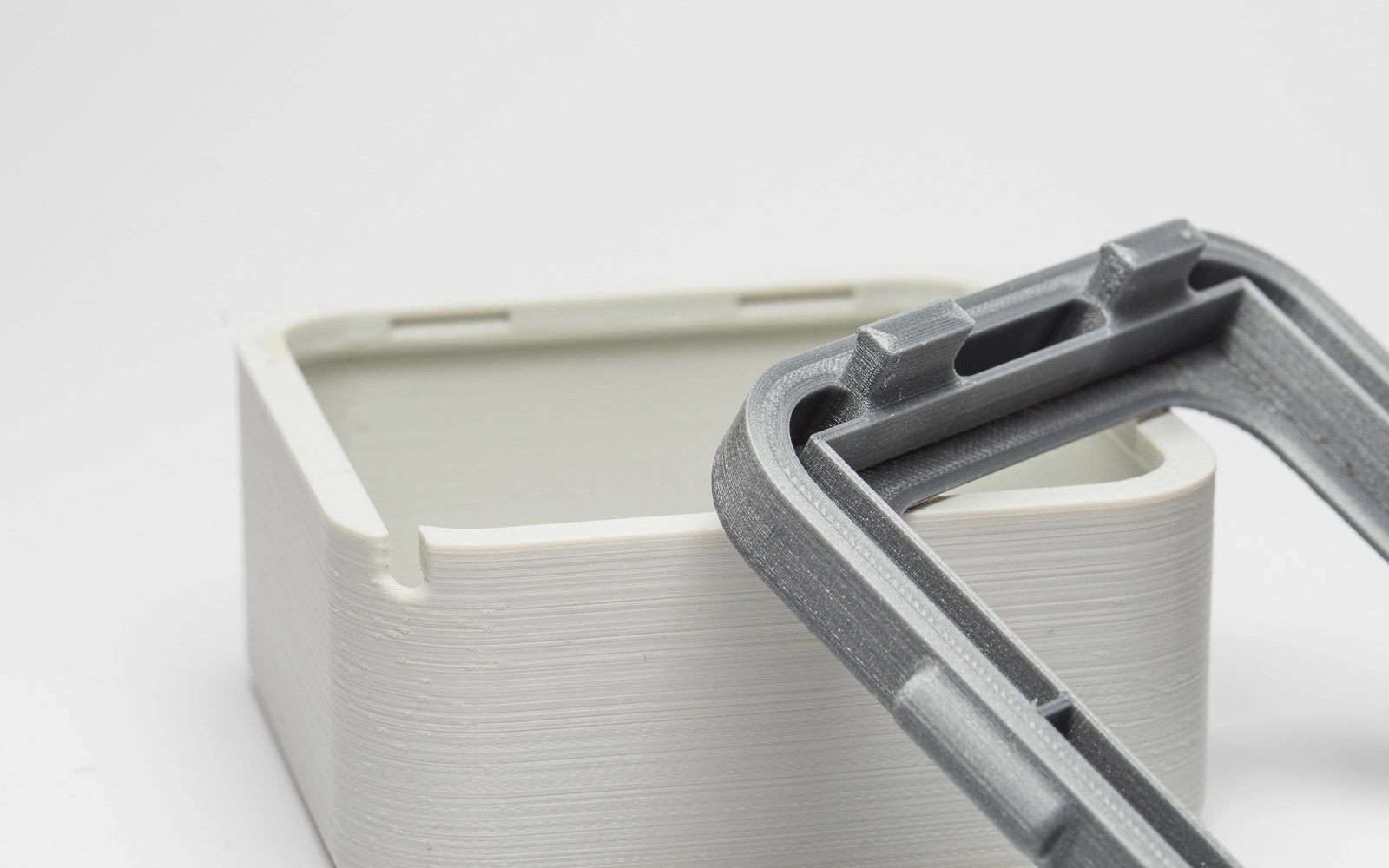

Snap Into Place: Smarter Enclosure Design with 3D Printing
Product design involves more than creating individual components. Engineers must also consider how different parts connect, assemble and function together.
Traditional enclosures often rely on screws, bolts or additional fastening components. While these methods remain useful, some applications can benefit from simpler assembly solutions.
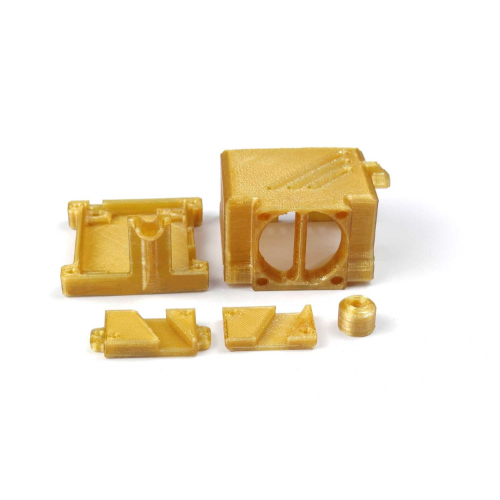
3D printed snap-fit enclosures offer an alternative by integrating flexible locking features directly into the part design.
This approach allows manufacturers to create functional assemblies with fewer separate fasteners while supporting design flexibility and rapid prototyping.
By combining thoughtful engineering with additive manufacturing, snap-fit designs can help simplify product development and improve assembly efficiency
What Are Snap-Fit Joints in 3D Printing?
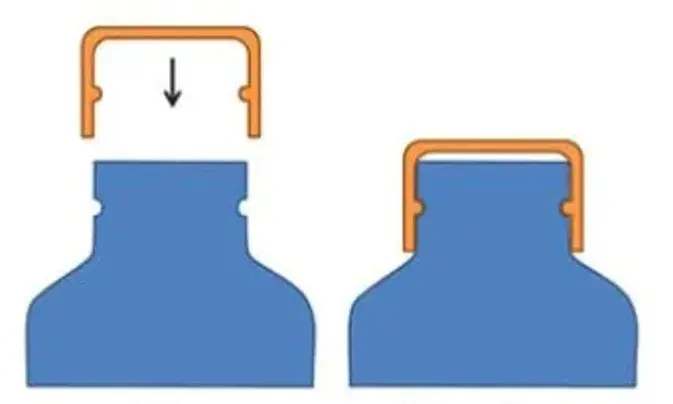
Snap-fit joints are mechanical connection features that allow two components to join through a flexible locking mechanism.
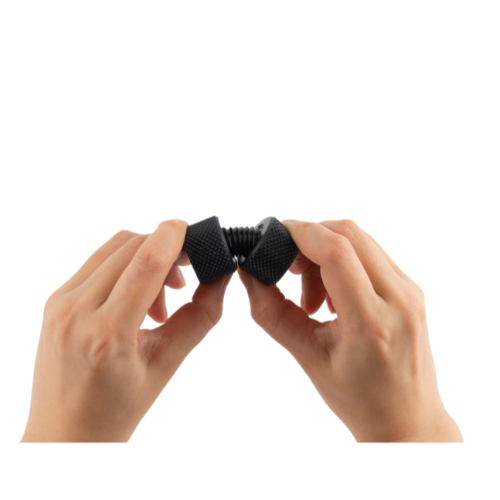
During assembly, a flexible feature temporarily bends as the parts come together. Once it reaches the correct position, the feature returns toward its original shape and engages with a corresponding locking surface.
This mechanism allows components to connect without additional screws or separate fasteners in suitable applications.
In 3D printing, engineers can incorporate these locking features directly into digital models.
As a result, manufacturers can produce 3D printed snap-fit joints as part of the component itself, reducing the need for separate assembly hardware.
These features are particularly useful for enclosures, covers and interlocking components.
Why Use Snap-Fit Joints in 3D Printing?
Snap-fit connections offer several advantages when developing functional 3D printed assemblies.
1. Tool-Free Assembly
Traditional mechanical connections often require screws and fastening tools.
Snap-fit joints can simplify this process by allowing components to connect through integrated locking features.
For suitable applications, this approach reduces assembly steps and makes component installation more convenient.
Tool-free assembly can be especially useful for product housings, protective covers and prototype enclosures.
2. Fewer Components and Fasteners
Reducing the number of separate components can simplify product assembly.
Snap-fit designs incorporate fastening features directly into the printed part, potentially eliminating the need for additional screws or bolts.
This approach can help manufacturers reduce assembly complexity and manage fewer individual components.
However, the suitability of snap-fit connections depends on the required holding strength and operating conditions.
3. Greater Design Flexibility
3D printing allows engineers to explore customized geometries and integrated mechanical features.
With snap-fit connections, designers can modify locking mechanisms, enclosure dimensions and assembly configurations directly within the digital model.
This flexibility supports different product requirements without relying on extensive changes to conventional tooling.
Engineers can also experiment with alternative connection designs during product development.
4. Easier Maintenance and Accessibility
Some enclosures require occasional access for inspection, maintenance or component replacement.
Properly designed snap-fit joints can allow repeated assembly and disassembly for suitable applications.
This feature may help simplify maintenance activities while reducing dependence on separate fastening hardware.
However, repeated use can place stress on flexible locking features. Engineers must select suitable materials and joint designs to maintain reliable performance.
5. Faster Prototyping and Design Testing
Product development often requires several design iterations before engineers achieve the desired result.
3D printing allows designers to produce physical prototypes directly from digital models.
For snap-fit enclosures, this means engineers can evaluate locking features, clearances and assembly performance before finalizing the design.
Rapid prototyping helps development teams identify potential issues and refine connection features more efficiently.
Key Design Considerations for Reliable Snap-Fit Connections
Although snap-fit joints simplify assembly, achieving reliable performance requires careful engineering.
Several factors influence how these connections behave during installation, removal and regular operation.
Material Selection
Material properties play an important role in snap-fit performance.
Flexible locking features must tolerate temporary deformation during assembly without cracking or permanently losing their shape.
Different 3D printing materials offer different levels of flexibility, stiffness and mechanical strength.
Engineers should select materials according to the intended application and expected assembly requirements.
The printing technology and material properties must also support the selected joint geometry.
Dimensional Accuracy and Tolerances
Snap-fit connections require appropriate dimensions to achieve reliable fitting.
If the connection is too tight, assembly may require excessive force and place unnecessary stress on the locking feature.
Meanwhile, excessive clearance may reduce holding strength or create unwanted movement between components.
Engineers should consider the dimensional accuracy of the selected 3D printing process when designing snap-fit features.
Proper tolerances help improve assembly consistency and overall product functionality.
Joint Geometry and Design
The geometry of a snap-fit joint influences its flexibility and holding strength.
Designers must consider the shape, thickness and engagement features of the locking mechanism.
An appropriate joint design allows sufficient movement during assembly while maintaining the required connection after installation.
Sharp transitions and poorly supported features can create areas of concentrated stress.
Careful design helps reduce potential failure points and supports more reliable connections.
Print Orientation
Print orientation can influence the mechanical properties of 3D printed components.
In layer-based printing processes, the direction of the printed layers may affect how a part responds to mechanical forces.
This becomes particularly important for snap-fit joints because flexible features experience stress during assembly.
Engineers should consider the direction of applied loads when selecting a printing orientation.
A suitable orientation can help improve the performance of the locking features.
Design Testing and Validation
Testing remains an important part of developing functional snap-fit enclosures.
Engineers should evaluate how easily components connect and whether the locking features maintain sufficient holding strength.
Key considerations include assembly force, dimensional fit, connection stability and durability.
For designs requiring repeated access, engineers should also evaluate how the connection performs after multiple assembly and disassembly cycles.
Physical testing helps identify potential design improvements before moving into subsequent production stages.
Applications of 3D Printed Snap-Fit Enclosures
Snap-fit designs can support various applications that require convenient assembly and integrated fastening features.
Electronic Enclosures
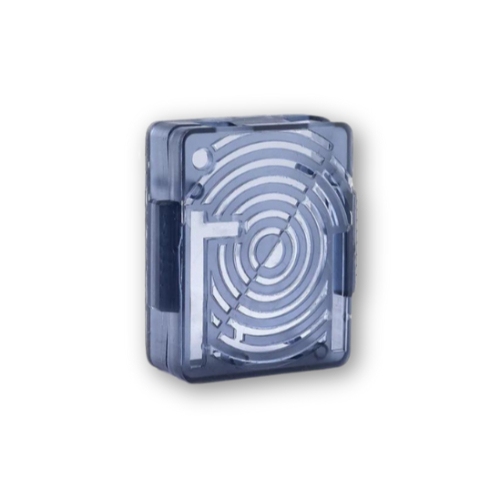
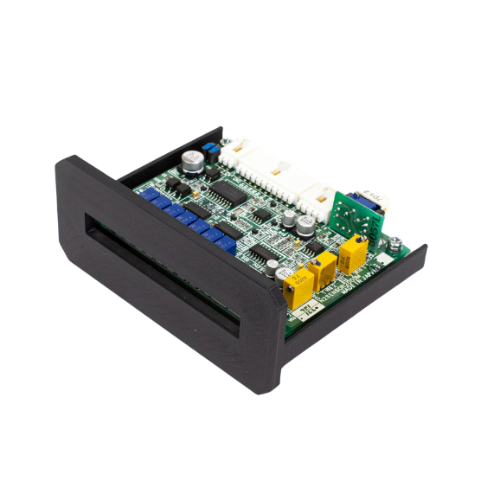
Electronic products often require protective housings for circuit boards, sensors and other internal components.
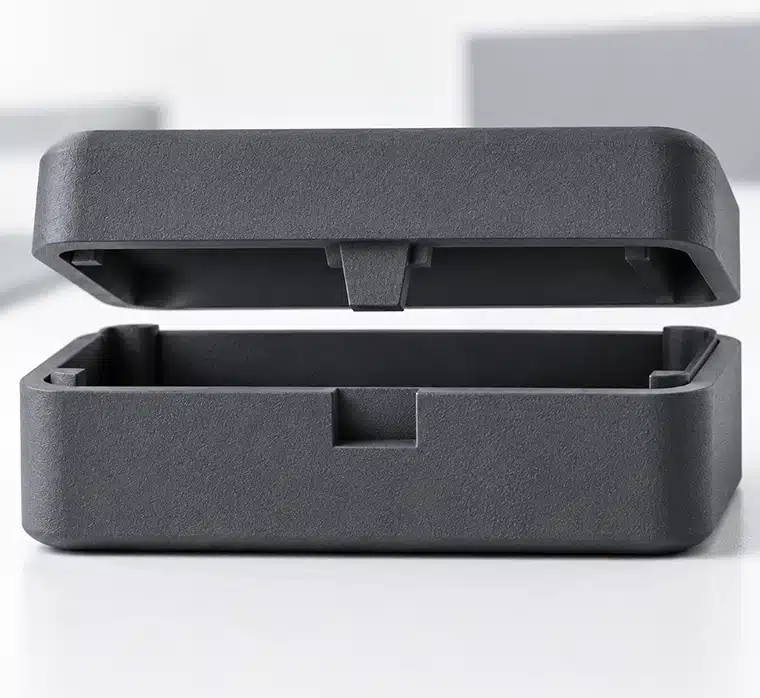
3D printed snap-fit enclosures can provide a convenient way to connect housing components without relying entirely on screws.
This approach may simplify assembly while allowing engineers to customize enclosure dimensions and internal features.
Protective Covers
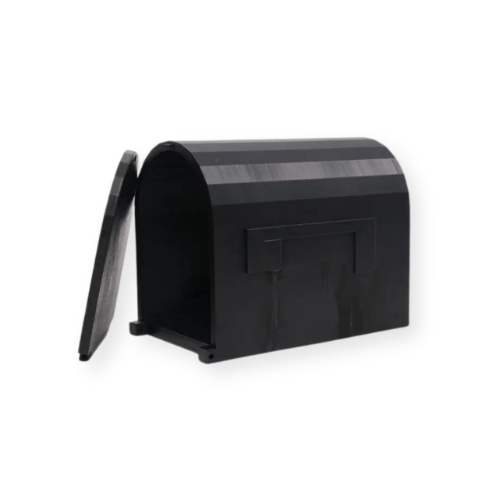
Certain products require removable covers to protect internal components.
Snap-fit connections can help secure these covers while allowing access when necessary.
Designers can adjust the locking mechanism according to the required level of accessibility and retention.
Functional Prototypes
During product development, engineers often need to evaluate how different components fit and connect.
3D printing allows teams to develop snap-fit prototypes for assembly testing and design validation.
This process helps identify dimensional and mechanical issues before finalizing the product.
Interlocking Components
Snap-fit joints can also support modular designs that require multiple components to connect.
Integrated locking features may simplify assembly and reduce the number of separate fastening components.
These applications demonstrate how snap-fit design can support more flexible product development.
3D Printing Service Malaysia , 3D Printing service Singapore , 3D Printing service KL , 3D Printing service Selangor, 3D Scanning Malaysia
Why Partner with Projet ?
Selecting the right manufacturing technology is important—but choosing the right manufacturing partner is what truly drives success. Companies across the electronics, automotive, consumer products, aerospace, and medical industries trust Projet because we are more than just a supplier; we are a dedicated partner in their success.
Here’s what sets us apart:
A True One-Stop Solution
We provide a seamless experience by offering a comprehensive suite of manufacturing services under one roof. This integrated approach streamlines your supply chain and simplifies the journey from concept to a market-ready product.
Engineering Expertise You Can Count On
Our experienced engineering team acts as a dedicated extension of your own. We excel at solving complex manufacturing challenges and collaborate closely with you to optimize your designs for quality, cost-effectiveness, and manufacturability.
Flexible Production Volumes to Match Your Needs
Whether you require a single prototype or a high-volume production run, our manufacturing capabilities are designed to scale with your demands. We support your product’s entire lifecycle, from initial launch to full-scale production.
Rapid Turnaround for a Faster Time-to-Market
In today’s fast-paced market, speed is a crucial advantage. We deliver fast, transparent quotes and pride ourselves on our rapid turnaround times, helping you get your innovative products to market sooner.
3D Printing Services
Instant Price