
Skip links

Vacuum Casting Prototyping

For product designers and engineers, bridging the gap between a digital CAD file and a physical, production-grade part is a critical challenge. Crucially, you need prototypes that look, feel, and perform like the final product for critical testing and marketing. Investing in expensive metal hard tooling for injection molding is often premature for just a dozen parts.

Enter vacuum casting prototyping.

Often called “urethane casting,” this process is the unsung hero of rapid prototyping. It offers the perfect middle ground, delivering high-fidelity parts with material properties similar to final production plastics, without the high upfront costs or long lead times of traditional tooling.

This guide will dive deep into what vacuum casting is, the precise steps involved, and why it might be the ideal solution for your next low-volume project.

What is Vacuum Casting?

Vacuum casting is a versatile manufacturing technique used primarily for creating high-quality prototypes and short production runs of plastic parts.

While 3D printing builds parts additively, vacuum casting instead uses a silicone mold to shape liquid resins. Crucially, the defining characteristic of the process is the use of a vacuum chamber. As a result, by removing atmospheric pressure, the liquid material is forced into every intricate detail of the mold, consequently eliminating trapped air bubbles that would otherwise compromise the part’s aesthetics and structural integrity.

The result is a bubble-free, highly accurate replica of a master pattern, possessing excellent surface finish and mechanical properties.

The Step-by-Step Vacuum Casting Process

The journey from concept to cast part involves a delicate balance of technology and craftsmanship. Here is a detailed look at how the vacuum casting process works:

1. Creating the Master Pattern

Everything starts with a master pattern—the “original” that will be cloned. Because the final parts will be exact replicas of this pattern, its quality is paramount. The master is typically created using high-resolution 3D printing technologies like Stereolithography (SLA) to ensure a perfect surface finish, or through CNC machining for precision.

2. Creating the Silicone Mold (Soft Tooling)

Once the master pattern is finished to the desired texture (e.g., glossy, matte, or textured), it is suspended in a casting box. Liquid silicone rubber is poured around the pattern.

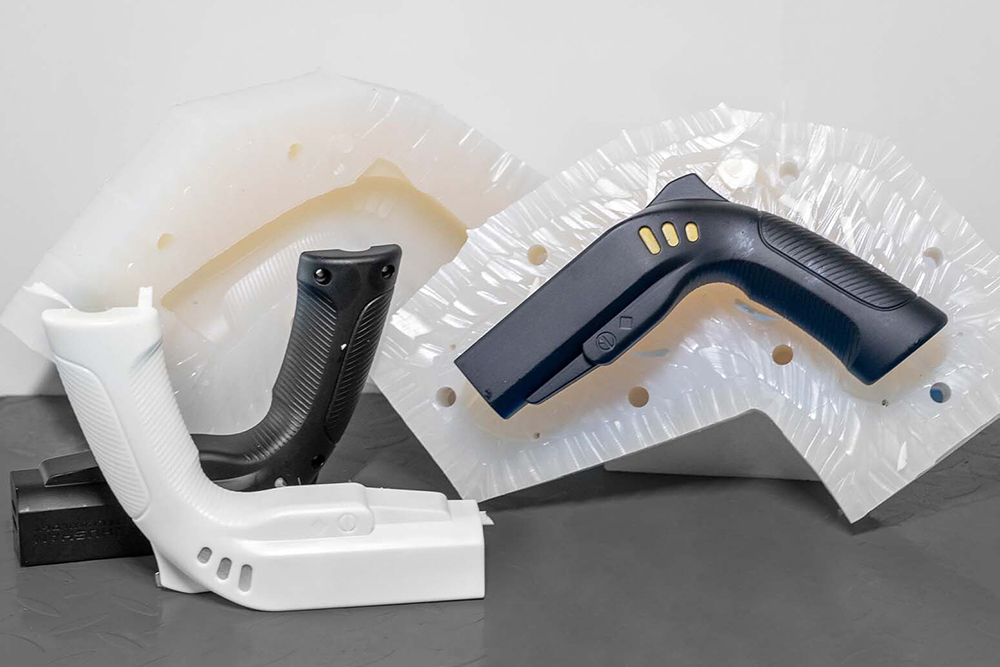
Why silicone? It is durable, heat-resistant, and, crucially, flexible. This flexibility allows the mold to be cut open and removed from complex shapes with undercuts without damaging the mold or the master. Once cured, the silicone block is cut in half in a parting line defined by the engineer, and the master pattern is removed, leaving a perfect negative cavity.

3. Degassing and Pouring

The silicone mold is reassembled and placed into a vacuum casting machine. The chosen polyurethane resin is pre-heated and degassed in a separate chamber to remove moisture and air.

Under vacuum conditions, the resin is poured into the mold. The vacuum ensures the liquid material reaches every corner of the complex geometry and prevents air pockets from forming within the part.

4. Curing the Resin

Once poured, the mold is moved to a heating chamber or oven to cure. Consequently, the heat solidifies the liquid resin. Curing times can vary significantly; this variation, moreover, depends on the part’s size and the specific resin type used, with durations ranging from a few minutes to several hours.

5. Demolding and Finishing

After the part has fully solidified, the silicone mold is carefully opened, and the new part is removed. The mold can then be prepared for the next pouring cycle.

Finally, the cast part undergoes finishing. This involves removing gates or runners (channels where resin entered the mold) and applying final touches such as sanding, painting, plating, or inserting metal threads to achieve the final desired look and function.

The Key Benefits of Vacuum Casting

Why choose vacuum casting over 3D printing or jumping straight to injection molding?

  • Exceptional Fidelity and Quality: The parts produced are near-injection-mold quality. They perfectly replicate the surface texture of the master pattern, whether it’s a high-gloss finish or a fine leather grain.

  • Material Versatility: You are not limited to basic prototyping plastics. Vacuum casting uses a wide range of polyurethane resins formulated to mimic engineering thermoplastics like ABS, PP, polycarbonate, and even various grades of rubber (elastomers).

  • Cost-Effective for Low Volumes: For quantities between 10 and 50 parts, vacuum casting is significantly cheaper than cutting steel aluminum tools for injection molding.

  • Rapid Turnaround: Once a master pattern is ready, silicone molds can be made in days, and parts cast shortly after. This is weeks faster than traditional tooling.

  • Design Flexibility: The flexibility of silicone molds allows for the casting of complex geometries, undercuts, and thick-wall sections that might be difficult or impossible with other methods.

Applications of Vacuum Casting

Vacuum casting is used in a variety of industries, including:

Automotive

  • Produces prototypes and low-volume parts for cars, trucks, and motorcycles

Aerospace

  • Creates lightweight and durable components for aircraft and spacecraft

Electronic and Consumer Goods

  • Manufactures toys, electronics, medical devices, and equipment

Home Decor and Luxury Items

  • Crafts high-quality decorative pieces

Limitations of vacuum casting

Despite all its advantages, this process has several limitations that should be considered before starting a project:

Material Restrictions

  • Suitable only for specific materials

Prototype Quality

  • Affected by the type of mold used

Shrinkage Issues

  • Parts may become too thin or too thick

Production Speed

  • Relatively slow, not ideal for large-scale production

Temperature Limitations

  • Not suitable for high-temperature applications
Summary

Projet offer a range of capabilities such as vacuum casting, additive manufacturing, and along with various solutions like rapid prototyping, mechanical design, and reverse engineering. We eagerly anticipate the opportunity to support your company in its processes.


Connect with Projet:

If you’ve had a positive experience with Projet that you’d like to share, please reach out to us at enquiry@projettech.com. We eagerly anticipate hearing from you.

For additional information, visit our website for comprehensive details about our services and contact information. Our friendly team is ready to assist you at any time.
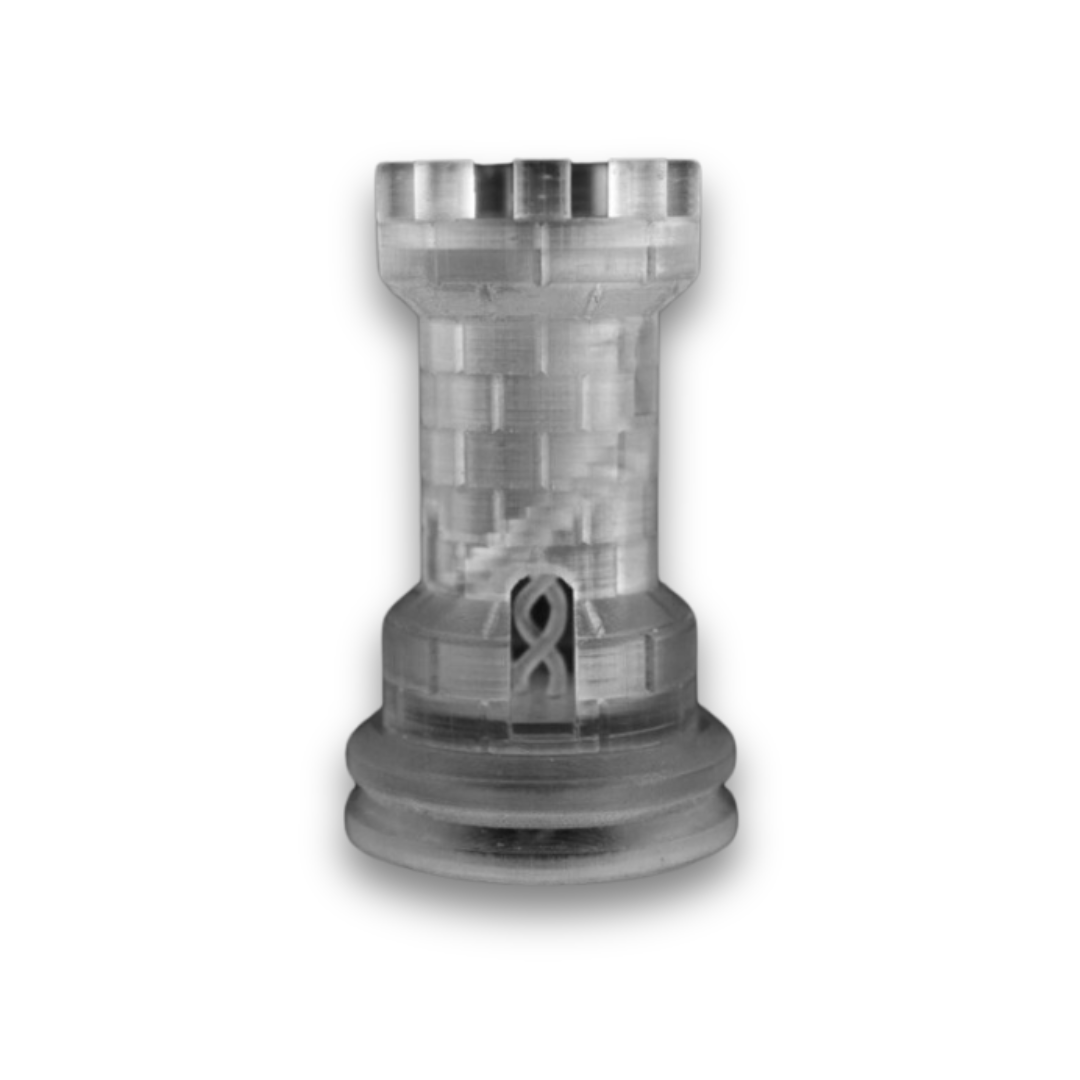
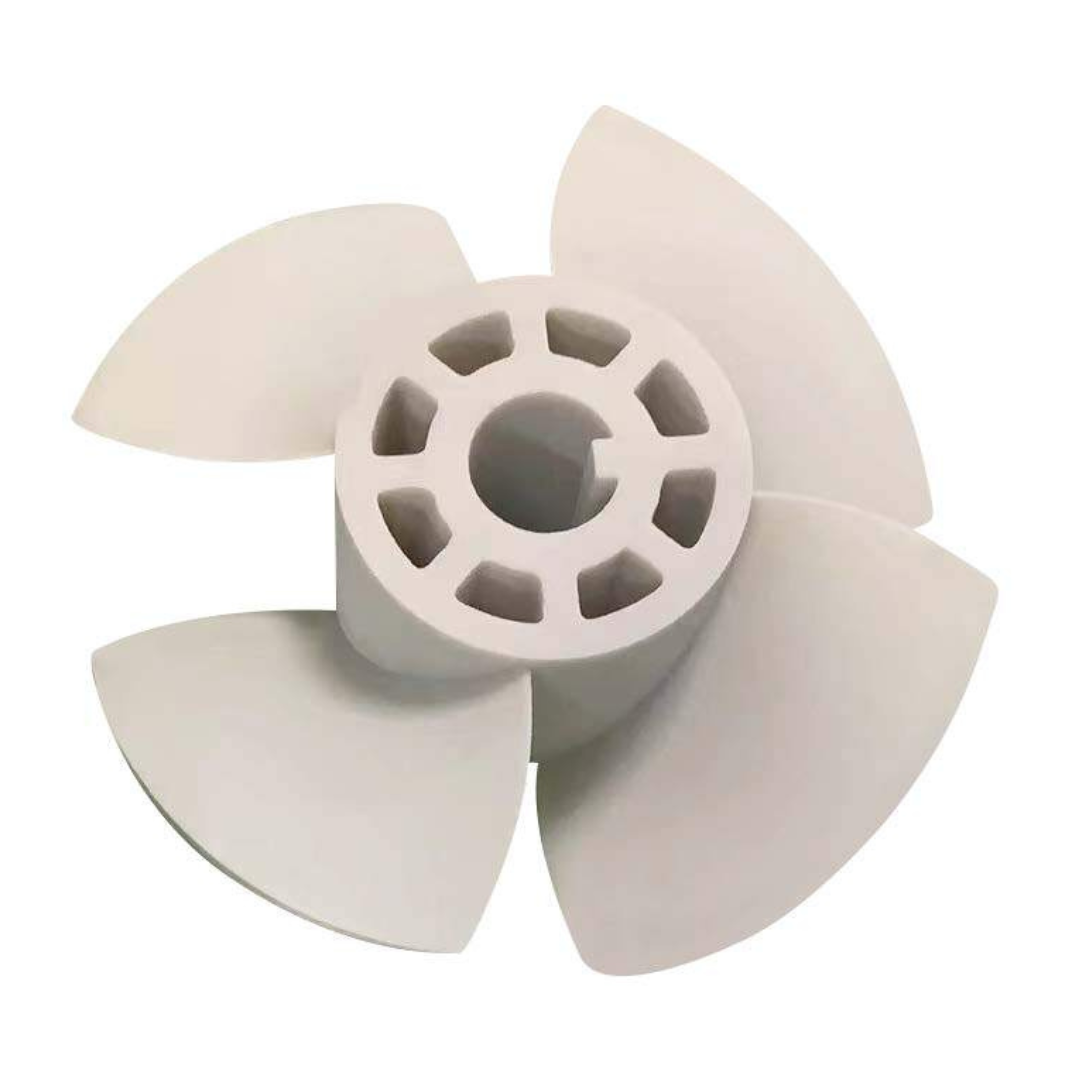
PMMA Like Resin

PMMA Like clear resin has high transparency and anti-yellowing, suitable for high transparency applications in non-high temperature environments. The transparent resin has imitation acrylic, glass appearance.

Suitable for: SLA

Application

  • Prototype
  • End-User part

Application Fields

  • Aerospace: YES
  • Automotive: YES
  • Industrial Machinery: YES
  • Consumer Electronics: YES
  • Automation: YES
  • Medical: YES
  • Education Community: YES

Material Property

  • Density(g/cm3): 1.05
  • Tensile Strength(MPa): 40
  • Flex Modulus(MPa): 40
  • Elongation(%): 32
  • Heat Distortion Temp(°C): –
  • Hardness Shore D: 78

Nylon12 Glass Fibre40 Blue-gray

This grey-blue composite nylon powder, enhanced with 40% glass beads, creates 3D-printed parts with exceptional stiffness and heat resistance. Powder reuse rate can reach up to 100%.

Suitable for: SLS

Application

  • Prototype
  • End-User part

Application Fields

  • Aerospace: YES
  • Automotive: YES
  • Industrial Machinery: YES
  • Consumer Electronics: YES
  • Automation: YES
  • Medical: YES
  • Education Community: YES

Material Property

  • Density(g/cm3): 0.72
  • Tensile Strength(MPa): 46
  • Flex Modulus(MPa): 2,800
  • Elongation(%): –
  • Heat Distortion Temp(°C): 160
  • Hardness Shore D: –

Nylon 12 Glass Fibre 30

PA12GB30 is a high-performance material with excellent chemical, mechanical, and thermal properties, ideal for engineering applications. Compared to PA6, it absorbs significantly less moisture, preserving strength and shape in humid environments. With added glass fiber reinforcement, it offers enhanced durability, stiffness, and stability, making it a reliable choice for demanding conditions.

Suitable for: SLS

Application

  • Prototype
  • End-User part

Application Fields

  • Aerospace: YES
  • Automotive: YES
  • Industrial Machinery: YES
  • Consumer Electronics: YES
  • Automation: YES
  • Medical: YES
  • Education Community: YES

Material Property

  • Density(g/cm3): 1.25
  • Tensile Strength(MPa): 62.6
  • Flex Modulus(MPa): 2,340
  • Elongation(%): 6.8
  • Heat Distortion Temp(°C): 160
  • Hardness Shore D: –

Rubber Like Resin

Rubber-like resin has a low tensile modulus and high elongation at break, making it well-suited for objects that will be bent or compressed.

Suitable for: SLA

Application

  • Prototype
  • End-User part

Application Fields

  • Aerospace: YES
  • Automotive: YES
  • Industrial Machinery: YES
  • Consumer Electronics: YES
  • Automation: YES
  • Medical: YES
  • Education Community: YES

Material Property

  • Density(g/cm3): –
  • Tensile Strength(MPa): 7.9
  • Flex Modulus(MPa): –
  • Elongation(%): 255.1
  • Heat Distortion Temp(°C): –
  • Hardness Shore D: 60-75

ABS Like Resin

ABS-like resin excels in high precision, providing a smooth surface quality with exquisite detail features. Known for its superior forming dimensional stability, this resin is ideal for the assembly and testing of various engineering models. Achieving a perfect balance between tensile strength and hardness, it prevents brittleness with its high elongation at break, ensuring resistance to breaking.

Suitable for: SLA

Application

  • Prototype
  • End-User part

Application Fields

  • Aerospace: YES
  • Automotive: YES
  • Industrial Machinery: YES
  • Consumer Electronics: YES
  • Automation: YES
  • Medical: YES
  • Education Community: YES

Material Property

  • Density(g/cm3): 1.05-1.13
  • Tensile Strength(MPa): 42-62
  • Flex Modulus(MPa): 60-80
  • Elongation(%): 11-21
  • Heat Distortion Temp(°C): –
  • Hardness Shore D: 75-80

Nylon-Like Resin

Nylon-like resin is a high-strength material known for its excellent durability and long-term stability. It also boasts exceptional toughness and impact resistance.

Suitable for: SLA

Application

  • Prototype
  • End-User part

Application Fields

  • Aerospace: YES
  • Automotive: YES
  • Industrial Machinery: YES
  • Consumer Electronics: YES
  • Automation: YES
  • Medical: YES
  • Education Community: YES

Material Property

  • Density(g/cm3): 1.05-1.15
  • Tensile Strength(MPa): 68
  • Flex Modulus(MPa): 35
  • Elongation(%): 15
  • Heat Distortion Temp(°C): –
  • Hardness Shore D: 75

Hard Tough Resin

This hard resin boasts higher toughness and impact resistance compared to standard ABS-like resin, making it exceptionally well-suited for mechanical prototypes.

Suitable for: SLA

Application

  • Prototype
  • End-User part

Application Fields

  • Aerospace: YES
  • Automotive: YES
  • Industrial Machinery: YES
  • Consumer Electronics: YES
  • Automation: YES
  • Medical: YES
  • Education Community: YES

Material Property

  • Density(g/cm3): 1.08-1.12
  • Tensile Strength(MPa): 30-60
  • Flex Modulus(MPa): 30-75
  • Elongation(%): 35-52
  • Heat Distortion Temp(°C): 60
  • Hardness Shore D: 75-81

High Temp Resin

High Temp Resin is characterized by high hardness, strength, modulus, and precision. It exhibits resistance to prolonged heating at 120°C or boiling at 100°C, showcasing excellent mechanical properties, weather resistance, and temperature resistance.

Suitable for: SLA

Application

  • Prototype
  • End-User part

Application Fields

  • Aerospace: YES
  • Automotive: YES
  • Industrial Machinery: YES
  • Consumer Electronics: YES
  • Automation: YES
  • Medical: YES
  • Education Community: NO

Material Property

  • Density(g/cm3): 1.09-1.10
  • Tensile Strength(MPa): 70-85
  • Flex Modulus(MPa): 95-105
  • Elongation(%): 35-40
  • Heat Distortion Temp(°C): 100.5
  • Hardness Shore D: 82-84

General Resin

General resin, known for its high rigidity, proves to be a versatile material ideal for both functional testing and rapid prototype.

Suitable for: SLA

Application

  • Prototype

Application Fields

  • Aerospace: NO
  • Automotive: YES
  • Industrial Machinery: NO
  • Consumer Electronics: YES
  • Automation: YES
  • Medical: NO
  • Education Community: YES

Material Property

  • Density(g/cm3): 1.08-1.13
  • Tensile Strength(MPa): 46-67
  • Flex Modulus(MPa): 46-72
  • Elongation(%): 28-36
  • Heat Distortion Temp(°C): –
  • Hardness Shore D: 78-82

Ultem1010 PEI (Polyetherimide)

PEI is a high-performance industrial-grade thermoplastic known for its strength, durability, and low flammability. This versatile material finds applications in various industries, including automotive, aerospace, medicine, and dentistry.

Suitable for: FDM

Application

  • Prototype
  • End-User part

Application Fields

  • Aerospace: YES
  • Automotive: YES
  • Industrial Machinery: YES
  • Consumer Electronics: NO
  • Automation: YES
  • Medical: NO
  • Education Community: NO

Material Property

  • Density(g/cm3): 1.27
  • Tensile Strength(MPa): 90
  • Flex Modulus(MPa): 3427
  • Elongation(%): 3.3
  • Heat Distortion Temp(°C): 207
  • Hardness Shore D: –

Ultem9085 PEI (Polyetherimide)

PEI is a high-performance industrial-grade thermoplastic known for its strength, durability, and low flammability. This versatile material finds applications in various industries, including automotive, aerospace, medicine, and dentistry.

Suitable for: FDM

Application

  • Prototype
  • End-User part

Application Fields

  • Aerospace: YES
  • Automotive: YES
  • Industrial Machinery: YES
  • Consumer Electronics: NO
  • Automation: YES
  • Medical: NO
  • Education Community: NO

Material Property

  • Density(g/cm3): 1.34
  • Tensile Strength(MPa): 86
  • Flex Modulus(MPa): 2340
  • Elongation(%): 4
  • Heat Distortion Temp(°C): 150
  • Hardness Shore D: –

PEEK (Polyether ether ketone)

PEEK (polyetheretherketone) is a high-performance semi-crystalline industrial thermoplastic known for its exceptional resistance to harsh chemicals, minimal moisture absorption, excellent fire performance, superior mechanical strength over a wide temperature range, and reliable dimensional stability.

Suitable for: FDM

Application

  • Prototype
  • End-User part

Application Fields

  • Aerospace: YES
  • Automotive: YES
  • Industrial Machinery: YES
  • Consumer Electronics: YES
  • Automation: YES
  • Medical: YES
  • Education Community: YES

Material Property

  • Density(g/cm3): 1.29
  • Tensile Strength(MPa): 100
  • Flex Modulus(MPa): 4200
  • Elongation(%): 40
  • Heat Distortion Temp(°C): 140
  • Hardness Shore D: –

PET-CF (Carbon fiber reinforced polyethylene terephthalate)

PET-CF emerges as a superior choice over nylon for printing functional parts in high-humidity environments. Its high-temperature resistance and minimal warping make it ideal for crafting mechanical assembly parts, including automotive accessories and fixtures. In comparison to PETG-CF, PET-CF contains a higher concentration of carbon fibre, resulting in significantly greater strength and high temperature resistance.

Suitable for: FDM

Application

  • Prototype
  • End-User part

Application Fields

  • Aerospace: YES
  • Automotive: YES
  • Industrial Machinery: YES
  • Consumer Electronics: YES
  • Automation: YES
  • Medical: YES
  • Education Community: YES

Material Property

  • Density(g/cm3): 1.29
  • Tensile Strength(MPa): 131
  • Flex Modulus(MPa): 5320
  • Elongation(%): 1.2
  • Heat Distortion Temp(°C): 205
  • Hardness Shore D: –

PAHT-CF (High temperature polyamide carbon fiber reinforced)

A composite of PA and carbon fibre, merges the low water absorption advantage of PA with the high-performance attributes of carbon fibre. This combination yields excellent mechanical and thermal properties that remain robust even in wet conditions. PA+CF is prized for its outstanding chemical resistance, low moisture absorption, and versatile processing capabilities.

Suitable for: FDM

Application

  • Prototype
  • End-User part

Application Fields

  • Aerospace: YES
  • Automotive: YES
  • Industrial Machinery: YES
  • Consumer Electronics: YES
  • Automation: YES
  • Medical: YES
  • Education Community: YES

Material Property

  • Density(g/cm3): 1.06
  • Tensile Strength(MPa): 125
  • Flex Modulus(MPa): 4230
  • Elongation(%): 1.8
  • Heat Distortion Temp(°C): 194
  • Hardness Shore D: –

PLA-CF (Carbon fiber reinforced polylactic acid)

Carbon fibber reinforced PLA, stands out for its remarkable increase in stiffness and strength. This cutting-edge bio-polymer, when combined with recycled carbon fibber reinforcement, results in a higher mechanical properties

Suitable for: FDM

Application

  • Prototype
  • End-User part

Application Fields

  • Aerospace: YES
  • Automotive: YES
  • Industrial Machinery: YES
  • Consumer Electronics: YES
  • Automation: YES
  • Medical: YES
  • Education Community: YES

Material Property

  • Density(g/cm3): 1.22
  • Tensile Strength(MPa): 89
  • Flex Modulus(MPa): 3950
  • Elongation(%): 3.2
  • Heat Distortion Temp(°C): 55
  • Hardness Shore D: –

ESD-safe (Electrostatic discharge)

It exhibits excellent antistatic performance, making it particularly suitable for fields that require ESD protection.

Suitable for: FDM

Application

  • Prototype
  • End-User part

Application Fields

  • Aerospace: YES
  • Automotive: YES
  • Industrial Machinery: YES
  • Consumer Electronics: YES
  • Automation: YES
  • Medical: YES
  • Education Community: YES

Material Property

  • Density(g/cm3): 1.08-1.11
  • Tensile Strength(MPa): 55
  • Flex Modulus(MPa): 2300
  • Elongation(%): 5
  • Heat Distortion Temp(°C): 95
  • Surface Resistance: 107 and 109 ohms Ω

UL 94-V0

It possesses higher mechanical properties and is halogen-free, environmentally friendly, and flame retardant, achieving a UL94V-0 level flame retardancy. This makes the product more fireproof and safer.

Suitable for: FDM

Application

  • Prototype
  • End-User part

Application Fields

  • Aerospace: YES
  • Automotive: YES
  • Industrial Machinery: YES
  • Consumer Electronics: YES
  • Automation: YES
  • Medical: NO
  • Education Community: YES

Material Property

  • Density(g/cm3): 1.05
  • Tensile Strength(MPa): 35
  • Flex Modulus(MPa): 2280
  • Elongation(%): 10
  • Heat Distortion Temp(°C): 100
  • Hardness Shore D: –

ASA (Acrylonitrile styrene acrylate)

ASA shares excellent mechanical properties with ABS but offers additional benefits. It is more resistant to ultraviolet rays and harsh weather conditions, making it particularly suitable for outdoor use. ASA boasts strong toughness, rigidity, and high impact resistance.

Suitable for: FDM

Application

  • Prototype
  • End-User part

Application Fields

  • Aerospace: NO
  • Automotive: YES
  • Industrial Machinery: YES
  • Consumer Electronics: YES
  • Automation: YES
  • Medical: NO
  • Education Community: YES

Material Property

  • Density(g/cm3): 1
  • Tensile Strength(MPa): 45
  • Flex Modulus(MPa): 1900
  • Elongation(%): 30
  • Heat Distortion Temp(°C): 86
  • Hardness Shore D: –

PP (Polypropylene)

Polypropylene (PP) is a popular material in 3D printing, valued for its versatility, strength, and chemical resistance. This lightweight and flexible plastic stands up well to acids, bases, and organic solvents, making it suitable for a range of applications. Additionally, PP is considered food-safe, though standard 3D printing food safety guidelines should still be followed.

Suitable for: FDM

Application

  • Prototype
  • End-User part

Application Fields

  • Aerospace: YES
  • Automotive: YES
  • Industrial Machinery: YES
  • Consumer Electronics: YES
  • Automation: YES
  • Medical: YES
  • Education Community: YES

Material Property

  • Density(g/cm3): 1.05
  • Tensile Strength(MPa): 26
  • Flex Modulus(MPa): 1200
  • Elongation(%): 30
  • Heat Distortion Temp(°C): 60-80
  • Hardness Shore D: –

PC (Polycarbonates)

PC is a high-performance material known for its toughness, heat resistance, dimensional stability, and high optical clarity. It exhibits excellent mechanical properties, high toughness, and impact resistance, making it stable and durable. Additionally, PC offers impressive temperature resistance, with a heat distortion temperature up to 80 ℃.

Suitable for: FDM

Application

  • Prototype
  • End-User part

Application Fields

  • Aerospace: YES
  • Automotive: YES
  • Industrial Machinery: YES
  • Consumer Electronics: YES
  • Automation: YES
  • Medical: YES
  • Education Community: YES

Material Property

  • Density(g/cm3): 1.21
  • Tensile Strength(MPa): 54
  • Flex Modulus(MPa): 1073
  • Elongation(%): 150
  • Heat Distortion Temp(°C): 80
  • Hardness Shore D: –

Nylon / PA (Polyamide)

Nylon is a versatile material known for its good flexibility, wear resistance, and high strength-to-weight ratio. PA12, in particular, exhibits high toughness and impact resistance.

Suitable for: FDM

Application

  • Prototype
  • End-User part

Application Fields

  • Aerospace: YES
  • Automotive: YES
  • Industrial Machinery: YES
  • Consumer Electronics: YES
  • Automation: YES
  • Medical: YES
  • Education Community: YES

Material Property

  • Density(g/cm3): 1.21
  • Tensile Strength(MPa): 50
  • Flex Modulus(MPa): 659
  • Elongation(%): 165
  • Heat Distortion Temp(°C): 100
  • Hardness Shore D: –

HIPS

HIPS is a multifunctional material. It shares many mechanical properties with ABS plastic, but as the name suggests, it has a much higher resistance to impact. This added strength makes HIPS an excellent choice for creating durable 3D-printed parts that can withstand everyday wear and tear.

Suitable for: FDM

Application

  • Prototype
  • End-User part

Application Fields

  • Aerospace: YES
  • Automotive: YES
  • Industrial Machinery: YES
  • Consumer Electronics: YES
  • Automation: YES
  • Medical: YES
  • Education Community: YES

Material Property

  • Density(g/cm3): 1.04
  • Tensile Strength(MPa): 40
  • Flex Modulus(MPa): 1600
  • Elongation(%): 18
  • Heat Distortion Temp(°C): 80
  • Hardness Shore D: –

TPU (Thermoplastic polyurethane)

TPU material is renowned for its excellent flexibility, high elasticity, tear resistance, wear resistance, cut resistance, sturdiness, and durability.

Suitable for: FDM

Application

  • Prototype
  • End-User part

Application Fields

  • Aerospace: YES
  • Automotive: NO
  • Industrial Machinery: YES
  • Consumer Electronics: YES
  • Automation: YES
  • Medical: NO
  • Education Community: YES

Material Property

  • Density(g/cm3): 1.21
  • Tensile Strength(MPa): 35
  • Flex Modulus(MPa): –
  • Elongation(%): ≥800
  • Heat Distortion Temp(°C): –
  • Hardness Shore D: 95A

PETG (Polyethylene terephthalate glycol)

PETG is a robust material known for its odor neutrality and ease of printing. These characteristics, combined with high impact strength, flexibility, low shrinkage, water resistance, chemical resistance, and high toughness, make PETG an excellent choice for a variety of applications.

Suitable for: FDM

Application

  • Prototype
  • End-User part

Application Fields

  • Aerospace: NO
  • Automotive: YES
  • Industrial Machinery: YES
  • Consumer Electronics: YES
  • Automation: YES
  • Medical: YES
  • Education Community: YES

Material Property

  • Density(g/cm3): 1.27
  • Tensile Strength(MPa): 52
  • Flex Modulus(MPa): 1073
  • Elongation(%): 83
  • Heat Distortion Temp(°C): 64
  • Hardness Shore D: –

ABS (Acrylonitrile butadiene styrene)

ABS is a lightweight material known for its high impact resistance. These characteristics, coupled with a high heat deflection temperature, render ABS suitable for a wide range of applications and environments.

Suitable for: FDM

Application

  • Prototype
  • End-User part

Application Fields

  • Aerospace: YES
  • Automotive: YES
  • Industrial Machinery: YES
  • Consumer Electronics: YES
  • Automation: YES
  • Medical: NO
  • Education Community: YES

Material Property

  • Density(g/cm3): 1.06
  • Tensile Strength(MPa): 40
  • Flex Modulus(MPa): 1203
  • Elongation(%): 30
  • Heat Distortion Temp(°C): 73
  • Hardness Shore D: –

PLA (Polylactic acid)

PLA is an environmentally friendly biopolymer-based material that is both stiff and easy to print. It is available in a wide variety of colours.

Suitable for: FDM

Application

  • Prototype

Application Fields

  • Aerospace: NO
  • Automotive: YES
  • Industrial Machinery: NO
  • Consumer Electronics: YES
  • Automation: YES
  • Medical: NO
  • Education Community: YES

Material Property

  • Density(g/cm3): 1.23
  • Tensile Strength(MPa): 60
  • Flex Modulus(MPa): 1973
  • Elongation(%): 20
  • Heat Distortion Temp(°C): 40
  • Hardness Shore D: –